Uno Spin is a high-energy evolution of the classic card game, introducing a physical spin wheel that adds a layer of delightful unpredictability to every round. While the fundamental objective remains the same—be the first to empty your hand—the addition of the “Spin” mechanic means that one wrong turn can change the entire leaderboard.
For players across New Zealand who enjoy a fast-paced game night, Uno Spin offers a perfect blend of strategy and chaotic fun. In this guide, we break down the rules, explain what every section of the wheel means, and provide the tactics you need to emerge victorious from the wheel’s challenges.

Introduction to the High-Energy Mechanics of Uno Spin
Uno Spin is a revolutionary adaptation of the traditional Uno card game that introduces a central spinning wheel to dictate sudden shifts in gameplay. While the core “match-by-color-or-number” logic remains the foundation, the game is accelerated by the inclusion of “Spin” cards—standard-looking cards marked with a circular swirl icon. In the New Zealand context, where indoor social gaming is a beloved pastime, Uno Spin is prized for its ability to completely reset the leaderboard in a single turn. The objective is still to be the first player to empty your hand, but players must now contend with the wheel’s randomized commands, which can force massive card draws or total hand swaps.
This mechanic shifts the game from a standard card-matching experience into a high-stakes event where even a player with only one card left can be forced to draw more. In New Zealand home games, where social interaction and laughter are just as important as winning, the wheel creates memorable moments and dramatic comebacks that standard UNO sometimes lacks.
Essential Game Elements
- The Spin Wheel: A mechanical unit that features various icons representing game-changing actions.
- Spin Cards: Specialized cards within the deck that trigger a mandatory spin for the next player.
- Fast-Paced Play: The wheel often results in players discarding multiple cards or trading entire hands.
- Social Dynamics: Perfect for 2 to 10 players, aged 7 and up, fostering intense interaction.
| Feature | Classic Uno | Uno Spin |
|---|---|---|
| Core Mechanic | Color/Number Matching | Matching + Wheel Spinning |
| Turn Order | Sequential | Interrupted by mandatory spins |
| Chaos Level | Moderate | High |
| Specialized Icons | Standard Action Cards | Standard Actions + 9 Wheel Icons |
Setting Up Your Uno Spin Match
Setting up a game of Uno Spin is straightforward but requires the central placement of the wheel to ensure all players can reach it easily. To begin, players select a dealer by drawing a card from the deck; the person with the highest number takes the lead (Action cards count as zero). The dealer shuffles the 108-card deck and distributes seven cards face-down to each player. The remaining cards form the Draw Pile, which is placed in one of the slots on the wheel unit. The top card is flipped over to start the Discard Pile in the adjacent slot.
In New Zealand social circles, it is common practice to ensure the wheel is placed on a flat, stable surface to prevent it from sliding during intense spins. The player to the left of the dealer starts the game, and play proceeds in a clockwise direction. If the first card flipped to start the Discard Pile is a “Spin” card, the first player must immediately spin the wheel and resolve the action before playing their first card. This immediate introduction of the wheel sets the tone for a high-stakes session.
Preparation is key to ensuring the wheel functions smoothly and the game remains fair for all 2 to 10 players.
- Select the Dealer: Have each player draw a card; the person with the highest value deals.
- Deal: Distribute seven cards to each player.
- Prepare the Wheel: Place the Draw Pile and the Discard Pile into their designated slots on the wheel unit.
- First Turn: The player to the left of the dealer starts. If the first card flipped to start the Discard Pile has a swirl icon, that player must spin immediately.
| Setup Step | Action Required | Responsibility |
|---|---|---|
| 1. Choose Dealer | High card draw; highest number deals. | All Players |
| 2. Deal Cards | Distribute 7 cards face-down to each participant. | Dealer |
| 3. Prepare Wheel | Place the deck and starting card in the wheel trays. | Dealer |
| 4. Orientation | Check if the starting card has a swirl icon. | First Player |
Mastering the Matching Logic and Spin Trigger
The fundamental gameplay of Uno Spin mirrors the original: you must match the top card of the Discard Pile by color, number, or symbol. However, the “Spin” cards (cards with a swirl around the number) are the primary engine of this version. When you play a card with a swirl icon, the player who follows you cannot play their card immediately. Instead, they must spin the wheel and perform the action indicated by the arrow once the wheel stops. Only after the wheel action is fully resolved can that player attempt to play a card from their hand.
If you don’t have a matching card in your hand, you must draw one from the Draw Pile. If the card you draw is playable, you can put it down immediately. If it’s a Spin card, the next player still has to spin. This creates a strategic layer where you might choose to play a Spin card specifically to disrupt the player after you, especially if you see they only have one or two cards left. Understanding the probability of the wheel is key to managing your hand effectively.
- Standard Match: Color-on-color or number-on-number.
- Spin Trigger: Playing a card with a swirl icon forces the next player to spin.
- Resolution: The wheel action must be finished before the current player plays a card.
- Flow: The “spin” is considered part of the player’s turn that was interrupted.

Understanding the Nine Wheel Icons
The Uno Spin wheel is divided into nine sections, each representing a unique command that can drastically change the game state. The most feared icon is “Draw ’til Red/Blue,” which forces a player to draw cards from the pile until they find a card of that specific color. Conversely, the “Discard All” icon allows a player to get rid of every card in their hand that matches the color of the wheel’s arrow, which can lead to an instant win if timed correctly.
Other icons include “Trade Hands,” where everyone passes their cards to the person next to them, and “War,” where players compete to see who has the highest numbered card. In New Zealand competitive play, these icons are treated with high tension. For instance, the “Show Hand” icon forces you to reveal your entire hand to the table, making you a target for every “Skip” and “Draw Two” in the deck. Read more in Wikipedia.
Almost Uno: The player must discard all but two of their cards. This can be a massive advantage for someone with a large hand.
Discard All: The player can discard every card in their hand that matches the colour of the wheel’s indicator. This is one of the quickest ways to win.
Draw ’til Red/Blue/Green/Yellow: A punishing action that forces a player to draw cards from the pile until they find the specified colour.
Trade Hands: Everyone must pass their current hand to the player next to them in the direction of play.
Show Hand: You must reveal your entire hand to the table, removing any element of surprise for the remainder of the round.
War: Players participate in a high-card draw competition. The winner discards their card, while the others take theirs back.
| Wheel Icon | Action Description | Strategic Impact |
|---|---|---|
| Almost Uno | Discard all but 2 cards. | Brings a player instantly to the finish line. |
| Discard All | Play all cards of a chosen color. | Massive hand reduction. |
| Draw ’til Red/Blue | Draw until the color is found. | Can bulk up a hand by 10+ cards. |
| Trade Hands | Everyone swaps hands. | Total game reset; rewards those with many cards. |
| Show Hand | Reveal your hand to the table. | Loss of strategic secrecy. |
| War | High card draw competition. | Winner discards; others draw. |
Detailed Breakdown of Spin Actions
When the wheel lands on “War,” every player chooses the highest numbered card in their hand and lays it down simultaneously. The player with the highest number gets to discard that card, while everyone else must take their card back into their hand. This is a rare moment of collective action in Uno Spin and can be a great way to get rid of a high-point card. If the wheel lands on “Almost Uno,” the player must discard enough cards so that they are left with only two. This icon is a double-edged sword; it puts you close to winning but also makes you the target of every offensive move.
The “Discard All” action is one of the most powerful moves. If the wheel stops on this icon, you can play every card in your hand that matches the color currently on the Discard Pile. If you have four Green cards and the pile is Green, you play them all at once. This frequently leads to a player shouting “Uno” unexpectedly. For players in the local NZ scene, tracking which colors have been played is essential so you can maximize the “Discard All” if the wheel favors you.
- War Mechanic: Highest number wins; ties require a re-draw.
- Almost Uno: Strategic reduction to exactly two cards.
- Discard All: Immediate dump of all cards matching the active color.
- Trade Hands: Hands move in the direction of the current play rotation.

The Strategic Use of Action Cards in Uno Spin
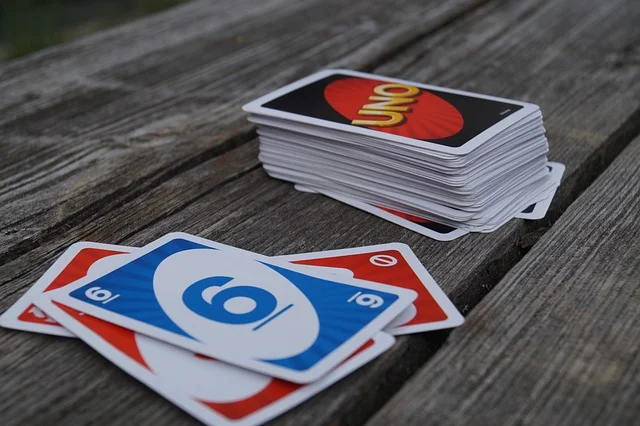
While the wheel provides the chaos, the standard action cards—Skip, Reverse, and Draw Two—provide the control. In Uno Spin, these cards are even more vital because they can be used to “bypass” a player who is about to benefit from a wheel action or to force a player into a spin they don’t want. A “Reverse” card can be a lifesaver if the player before you just played a Spin card and you are sitting on a perfect hand that you don’t want to risk on the wheel.
The “Wild Draw Four” remains the most potent card in the deck. In Uno Spin, playing this card not only changes the color and forces a draw, but it also allows you to control the momentum before a potential spin occurs. Because the wheel can force players to draw so many cards, the point values of these action cards (20 points for Skips/Reverses, 50 for Wilds) become a significant factor in the final scoring phase of a match.
- Skip: Use to prevent a player from reaching the wheel or the pile.
- Reverse: Defensive tool to avoid a mandatory spin.
- Draw Two: Offensive tool to prevent an “Almost Uno” winner from finishing.
- Wild: Essential for setting up a “Discard All” color for yourself.
Defensive Reverse: Use Reverse cards to change the rotation away from a player who is currently in a position to benefit from a wheel action.
Bait the Discard All: If you have many cards of a specific colour, try to change the discard pile to that colour using a Wild card right before a potential Spin. If the wheel hits “Discard All,” you could clear your hand in a single move.
Watch the Leader: If a player has only one or two cards left, hold your Spin cards. Triggering a spin is the best way to force them to draw more cards or swap hands, effectively keeping them in the game longer than they want.
| Action Card | Function | Penalty |
|---|---|---|
| Skip | Next player misses turn. | No play, no spin. |
| Reverse | Change direction. | Shifts the “Next Player” spin duty. |
| Draw Two | Next player draws 2 cards. | Hand increase + missed turn. |
| Wild Draw 4 | Choose color + next player draws 4. | Most aggressive move in the deck. |
Scoring and Winning the Match
Winning a round of Uno Spin is achieved by being the first to play your last card. However, the game is officially won by the first player to reach 500 points across multiple rounds. When a player “goes out,” they receive points based on the cards remaining in their opponents’ hands. Numbered cards are worth their face value, while action cards are worth 20 points. Wild cards and Wild Draw Fours are worth 50 points each.
In New Zealand tournament settings, accurate scorekeeping is essential because the wheel actions often lead to players having very large hands at the end of a round. A single “Draw ’til Red” penalty can result in an opponent holding 20 cards, which provides a massive point boost to the winner. This scoring system encourages players to play their high-value cards early to avoid being the one who hands the victory to an opponent on a silver platter.
- Numbers (0-9): Face Value.
- Skip/Reverse/Draw Two: 20 Points each.
- Wild/Wild Draw Four: 50 Points each.
- Winning Threshold: Traditionally 500 points.
| Card Category | Point Value | Risk Level |
|---|---|---|
| Numbers 0-9 | Face Value | Low |
| Action Cards | 20 Points | Medium |
| Wild Cards | 50 Points | High |
Because the wheel often causes players to draw large numbers of cards, the potential scores in Uno Spin are often much higher than in the classic game.
The Essential “Uno” Declaration
The most iconic rule in the franchise is strictly enforced in Uno Spin: you must shout “Uno” when you have only one card left in your hand. In this version, the rule is even more critical because the wheel can suddenly leave you with one card (via “Almost Uno” or “Discard All”). You must shout “Uno” the moment you play your second-to-last card or the moment the wheel action leaves you with one card.
If an opponent catches you failing to say “Uno” before the next player begins their turn, you must draw two penalty cards. In the fast-paced environment of a Kiwi game night, players are often distracted by the spinning wheel, making it easier to “sneak” a win. However, a vigilant opponent can use the penalty to force you back into the game just as you thought you had secured the victory.
- Timing: Shout “Uno” as soon as you have one card remaining.
- Penalty: Draw 2 cards if caught by an opponent.
- Wheel Context: Shout immediately after an “Almost Uno” or “Discard All” result.
- Window: Opponents must catch you before the next person draws or plays.
Strategic Tips for New Zealand Players
To win at Uno Spin, you must balance card matching with “Wheel Awareness.” If you are holding a “Spin” card, pay close attention to the hand size of the player after you. If they have only one card, playing the Spin card is a great defensive move, as it forces them to risk a hand swap or a draw penalty on the wheel. Conversely, if you have many cards, you want to trigger a spin in hopes of landing on “Trade Hands” or “Discard All.”
Another advanced tactic is “Color Baiting.” If you have a “Discard All” color in your hand, try to use a Wild card to change the Discard Pile to that color before you are forced to spin. If the wheel then lands on “Discard All,” you can potentially empty your hand in a single move. In the competitive New Zealand circuit, these types of combos are what separate the casual players from the Uno Spin masters.
- Targeting: Use Spin cards to disrupt players with small hands.
- Resource Management: Save your Wild cards to set up “Discard All” opportunities.
- Observation: Track which colors opponents are drawing to predict “Draw ’til…” outcomes.
- Risk Assessment: Don’t play a Spin card if the player after you has more cards than you.
| Strategy Type | Action | Objective |
|---|---|---|
| Offensive | Play Spin card on a leader. | Force a draw or hand swap. |
| Defensive | Save Reverse cards. | Avoid a mandatory spin duty. |
| Opportunistic | Set color for “Discard All.” | Win the game in one turn. |
| Psychological | Bluff your hand strength. | Discourage others from trading hands with you. |
Common Mistakes and How to Avoid Them
The most frequent error in Uno Spin involves the timing of the spin. Many players forget that the next player spins, not the person who played the card. This often leads to the wrong person taking a penalty or a reward. Another common mistake is forgetting to resolve the wheel action completely before playing a card. For example, if you land on “Draw ’til Blue,” you must find the card and add it to your hand before you can play your matching card for the turn.
Additionally, ensure everyone is clear on the “Trade Hands” rule. Everyone must pass their hand at once; you cannot look at the new hand before passing yours. In New Zealand home games, disputes often arise during the “War” icon. Remember that the “War” only involves the high-card discard for the winner; the losers do not draw extra cards, they simply keep what they had.
- Wrong Spinner: Always the player after the one who played the Swirl card.
- Incomplete Actions: Wheel commands must be finished before the turn continues.
- War Confusion: Only the winner discards; there is no draw penalty for losing “War.”
- Trade Order: Follow the current direction of play (Clockwise or Counter-Clockwise).
Final Thoughts on Uno Spin
Uno Spin is a brilliant evolution of a classic, providing a level of unpredictability and excitement that a standard deck of cards simply cannot match. The mechanical wheel acts as a randomized referee, capable of turning a certain defeat into a sudden victory. For the New Zealand gaming community, it remains a top-tier choice for parties and family gatherings where the goal is laughter and high-energy competition. By mastering the nine wheel icons, timing your Spin cards effectively, and never forgetting that final “Uno” shout, you can navigate the chaos of the wheel and emerge as the ultimate Uno Spin champion.
Quick Reference Summary Table
| Game Aspect | Detail |
|---|---|
| Winning Score | 500 Points accumulated over rounds. |
| Starting Hand | 7 Cards per player. |
| Spin Trigger | Any card with a swirl icon. |
| Key Wheel Action | Trade Hands (Total game reset). |
Frequently Asked Questions (FAQs)
How many cards are in an Uno Spin deck?

The deck contains 108 cards, including standard numbered cards, classic action cards, and specialized “Spin” cards marked with a swirl.
What happens if the wheel lands on “Almost Uno”?
The player who spun the wheel must discard all but two of their cards, bringing them within striking distance of the win.
Do you have to say “Uno” in this version?
Yes. You must shout “Uno” when you have only one card left. This is critical in Uno Spin because a wheel action might leave you with one card, and you must declare it immediately.
What is the “War” icon?
All players play their highest card. The person with the highest value card discards it, while others take theirs back into their hand.
Who spins the wheel?
The player immediately following the person who played a “Spin” (swirl) card must spin the wheel.
Can I play Uno Spin without the wheel?
You could play it like standard UNO, but you would miss out on the unique wheel-based mechanics that make the game unpredictable and exciting.
What happens if the wheel lands on “Trade Hands”?
Every player passes their entire hand to the person next to them according to the current direction of play (clockwise or counter-clockwise).
Is Uno Spin harder to learn than regular UNO?
It is not more difficult, but it requires more patience and adaptability because the state of the game can change in seconds.
How many points is a Wild Draw Four worth?

A Wild Draw Four is worth 50 points if it remains in an opponent’s hand when the round ends.
How do I win a full match?
The match concludes when a player reaches a cumulative total of 500 points.