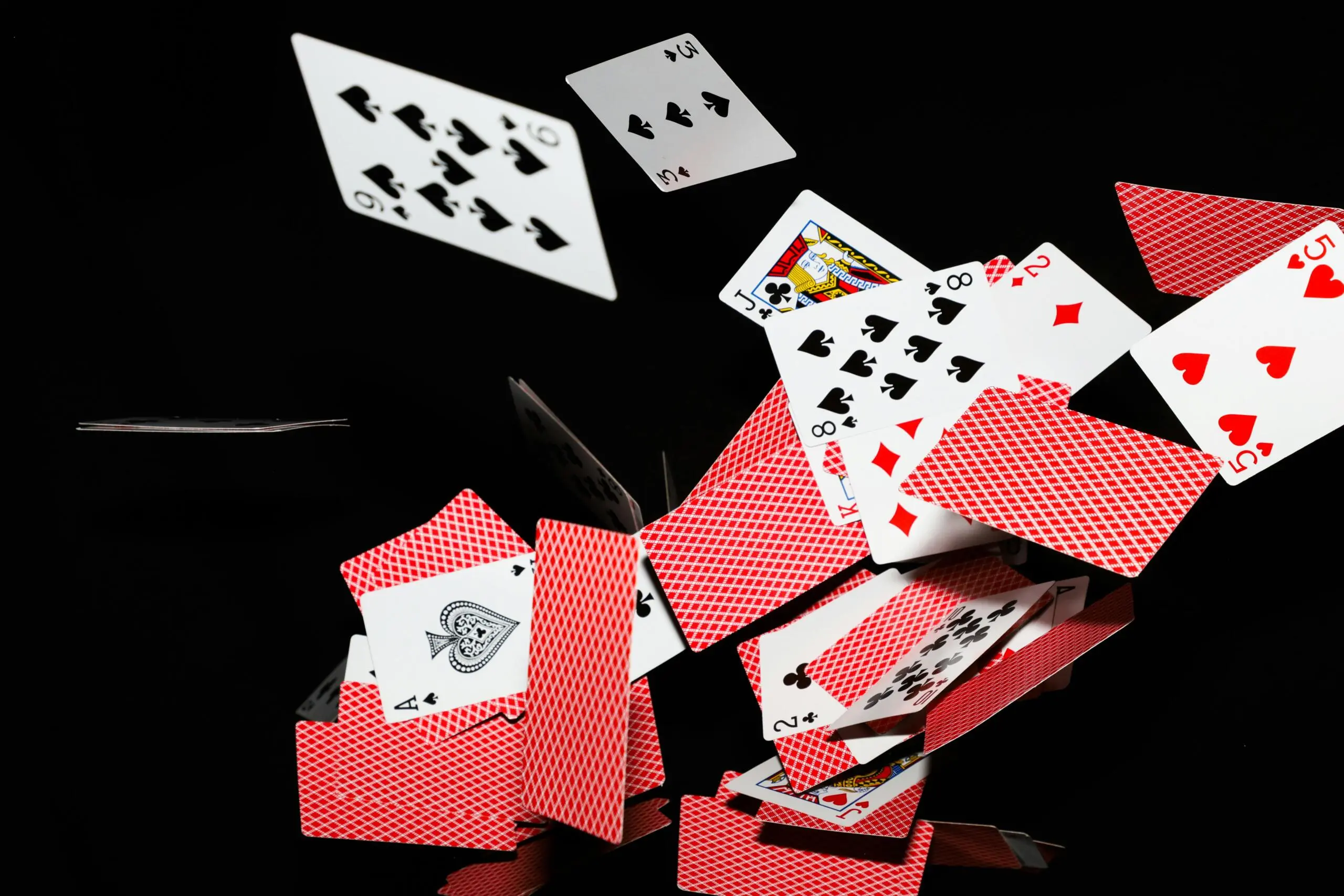
Finding quality, screen-free entertainment that helps you reconnect, share a laugh, and enjoy a bit of friendly rivalry with your partner has become a top priority for many duos across Aotearoa. Whether you are winding down in a cozy holiday bach in Lake Tekapo during a wild winter storm, relaxing on a sunny deck in Auckland after a long week of work, or looking to add some spark to your regular date nights in a Wellington flat, a humble deck of playing cards is an absolute lifesaver.
The ultimate beauty of mastering card games for couples lies in their instant accessibility, low financial barrier to entry, and incredible portability. You do not need hours of tedious setup, complex multi-page rulebooks, or expensive custom components to get a lively session started; all it takes is a deck of cards, a flat surface, and your favorite person. From timeless childhood matching classics to deep strategic duels and fast-paced modern hits, exploring couples card games nz wide will transform a standard evening into an engaging, face-to-face bonding experience filled with endless entertainment.
- Relationship Enrichment: Fosters positive face-to-face interaction, shared laughter, teamwork, and healthy competitive play.
- High Portability: Card decks are exceptionally compact, making them the ultimate travel companion for Kiwi road trips, romantic getaways, and camping holidays.
- Screen-Free Quality Time: Offers a therapeutic, tactile escape from digital notifications, evening streaming fatigue, and social media scrolling.
- Exceptional Financial Value: A standard or specialty deck costs less than a single restaurant dinner in Christchurch, yet provides hundreds of hours of replayable fun.
- Dynamic Variety: Includes a massive spectrum of gameplay styles from quick, high-energy reflex races to deeply calculated intellectual duels.
Why Card Games Are the Perfect Date Night Choice for Kiwi Couples
Long before high-speed broadband and smartphones dominated our evening routines, a simple pack of playing cards was the undisputed social anchor of the traditional New Zealand home. For generations of Kiwis, some of their most cherished memories are directly tied to sitting around a table with family or partners while rain lashed the windows outside. In the contemporary era, couples across Aotearoa are actively rediscovering this nostalgic pastime as a deliberate way to unplug from digital environments and spend intentional quality time together. Unlike watching a television series or scrolling through social feeds in the same room, playing a card game requires your absolute presence, active conversation, and direct eye contact. It opens up an organic space for playful banter, good-natured teasing, and unique inside jokes that strengthen a relationship’s emotional foundation.
Furthermore, the local New Zealand tabletop market has experienced a spectacular renaissance, resulting in an incredible influx of innovative, beautifully produced specialty card games alongside traditional variants. From major national department stores like Kmart and The Warehouse to independent local hobby shops from Whangārei down to Invercargill, the sheer variety of couples-friendly decks available today is staggering. A card game functions as a perfect psychological icebreaker after a stressful day of work or parenting, shifting your focus away from everyday domestic chores and redirecting your energy into a shared, playful activity. Whether you prefer a cooperative challenge where you work as a unified team or a cutthroat strategic battleground where bragging rights are fiercely contested, card play offers an adaptable framework for romantic entertainment.
The Essential Rules for Choosing a Great Two-Player Card Game
When it comes to selecting a new title for a couple’s date night, it is vital to understand that not all card games scale down effectively for exactly two players. Many popular party titles rely heavily on large crowd dynamics, hidden traitor mechanics, or social chaos to generate their trademark fun, completely losing their underlying mechanical magic when reduced to an intimate duel. The absolute best card games for couples are those specifically engineered or adapted to provide a balanced, high-tension head-to-head experience where every single decision carries immediate weight and consequences.
| Selection Metric | Key Considerations for Kiwi Duos | Long-Term Impact on Play |
|---|---|---|
| Mechanical Balance | Does the game function smoothly without a third or fourth player? | Prevents predictable deadlocks and ensures a fair, engaging competition. |
| Setup & Learning Curve | Can the rules be explained or reviewed in under five minutes? | Minimises pre-game friction, keeping date nights relaxed and stress-free. |
| Interactive Engagement | Does it encourage direct interaction or isolated, parallel play? | Drives playful banter and communication rather than quiet contemplation. |
| Replayability Factor | Do variable setups or shifting wild cards ensure unique rounds? | Protects your financial investment by keeping the game fresh for years. |
| Physical Footprint | Can it be comfortably played on a small café table or picnic rug? | Essential for taking the deck to baches, camping grounds, or local pubs. |
Balancing Strategy and Luck
For a truly successful couple’s card night, the ideal game should strike a beautiful, delicate balance between pure strategic skill and unpredictable luck. If a game relies entirely on cold, hard calculation with zero luck involved, the more analytical partner will naturally dominate every single match, leading to eventual frustration and disinterest. Conversely, if a game is driven completely by blind luck with no room for clever tactical planning, winning feels entirely hollow. Integrating elements like randomized card draws, hidden hands, or rotating wild cards ensures that even a newcomer has a genuine chance to defeat a seasoned veteran, keeping the atmosphere lively and highly unpredictable.
Traditional Rummy: The Classic Set-Building Foundation for Two
When it comes to timeless, internationally celebrated card games that adapt with absolute perfection to a two-player format, traditional Rummy stands as an undisputed masterpiece. This elegant game focuses entirely on structural organization, card counting, and efficient hand management, making it an exceptional mental workout for a couple relaxing after dinner. The primary objective of Two-Player Rummy is to be the first person to successfully organize your entire hand into valid combinations—known as “melds”—which can consist of either sets (three or four cards of the exact same numerical value) or runs (three or more consecutive cards of the exact same suit).
To begin a standard match, the dealer thoroughly shuffles a standard 52-card French deck and distributes exactly ten cards face-down to each player one at a time. This expanded hand size is a critical adjustment for the two-player format, providing both individuals with enough tactical depth to craft complex strategies. The remaining cards are placed face-down in the centre of the table to establish the main Stock pile, and the top card is flipped face-up directly adjacent to it to kickstart the communal Discard pile.
Managing the Intense Draw, Meld, and Discard Cycle
Every single turn in Two-Player Rummy follows a strict, unyielding three-step structure that cannot be altered: you must draw exactly one card, you may optionally lay down a completed meld flat on the table, and you must discard exactly one card to officially conclude your turn. When starting your turn, you face a vital tactical choice: you can either pick up the top hidden card from the face-down Stock pile to keep your strategy completely secret, or choose to take the top exposed card from the Discard pile if it perfectly completes a combination you are holding.
- Valid Set Example: Holding the 8 of Spades, 8 of Diamonds, and 8 of Hearts completely independent of their suits.
- Valid Run Example: Assembling the 4, 5, 6, and 7 of Clubs flowing in perfect, uninterrupted numerical sequence.
- The Art of Laying Off: You can legally add matching cards from your hand onto valid melds already placed on the table by your partner.
- The Strategic Discard: Choosing which card to throw away is a major psychological battleground; you must avoid discarding the exact suit or number your partner is desperately hunting for.
The round concludes the very microsecond a player successfully melds or discards their absolute final card, a triumphant event known as “going out”. The winner scores zero points for the round, while the losing partner must tally up the specific values of all the unmatched cards left trapped in their hand (often called “deadwood”). Aces count as 1 point, face cards count as 10, and standard numbers retain their printed value. The game is typically played across multiple successive rounds until one partner crosses a cumulative total of 100 points, making the individual with the absolute lowest score the grand champion.
Five Crowns: The Dynamic Modern Rummy Twist
If your partnership thoroughly enjoys the strategic card-sorting mechanics of traditional Rummy but craves a fresh, modern twist featuring vibrant artwork and unpredictable rule shifts, Five Crowns is a magnificent choice. This beautiful specialty card game expands upon classic foundations by introducing a completely unique fifth suit—yellow stars—alongside a double-deck structure totaling 116 cards. This structural expansion alters the mathematical probabilities of building combinations, making it an incredibly engaging challenge for couples who love to track cards.
The defining characteristic that sets Five Crowns apart and keeps players constantly on their toes is its rotating wild card system. The game is played across exactly nine distinct rounds, and the size of each player’s hand grows systematically with each progression. In the very first round, the dealer distributes exactly three cards face-down to each partner. In the second round, everyone receives four cards, and this pattern continues sequentially until the ninth and final round, where each player must manage a massive hand of eleven cards.
Round-by-Round Wild Card Adaptations
To navigate the game successfully, couples must maintain absolute focus on the shifting rules of each round. While the dedicated Jokers included in the deck remain permanently wild throughout the entire duration of the game, an additional standard card value becomes completely wild in every individual round, directly matching the number of cards dealt in that specific hand. This means a card that was completely useless to you in round two could easily become your most valuable asset by round five.
| Round Number | Hand Size Dealt | Permanently Wild Cards | Variable Round Wild Card Value |
|---|---|---|---|
| Round 1 | 3 Cards | All Jokers | All 3s are completely wild |
| Round 2 | 4 Cards | All Jokers | All 4s are completely wild |
| Round 3 | 5 Cards | All Jokers | All 5s are completely wild |
| Round 4 | 6 Cards | All Jokers | All 6s are completely wild |
| Round 5 | 7 Cards | All Jokers | All 7s are completely wild |
| Round 6 | 8 Cards | All Jokers | All 8s are completely wild |
| Round 7 | 9 Cards | All Jokers | All 9s are completely wild |
| Round 8 | 10 Cards | All Jokers | All 10s are completely wild |
| Round 9 | 11 Cards | All Jokers | All Jacks are completely wild |
The moment one partner manages to organize every single card in their hand into valid sets or runs and discards their final card, they lay their hand flat and announce they are going out. This triggers a high-tension lightning round, granting the remaining partner exactly one final turn to draw a card, optimize their hand, and lay down any completed combinations they managed to assemble. Any card successfully integrated into a valid three-card or four-card meld scores zero penalty points, while unmatched cards are tallied up against your score. Because permanent Jokers cost a massive 50 penalty points and current wild cards cost 20, being caught with these cards trapped in your hand can cause catastrophic shifts on the scoreboard, making long-term hand discipline essential for victory.
Speed: The High-Octane Real-Time Adrenaline Race
If your couple’s dynamic thrives on high-energy excitement, lightning-fast reflexes, and loud laughter rather than slow, quiet calculation, Speed is the absolute ultimate standard deck game for your next date night. This frantic reflex challenge completely eliminates traditional turn-based play; the very millisecond the round is signaled to begin, both partners play simultaneously in real-time, creating a wonderful environment of controlled chaos across the table. The primary objective is beautifully simple: you want to be the absolute first person to completely empty your personal card piles.
To set up a standard game of Speed, shuffle a standard 52-card deck thoroughly. The dealer deals a highly specific layout in the centre of the table: place two single cards face-down next to each other to form the foundation of the active central piles. On the outer side of each central card, place a stack of exactly five cards face-down to serve as replacement reserve pools. Next, deal each player their personal stacks: exactly 15 cards face-down to act as your personal draw pile. Both partners then draw exactly five cards from their personal 15-card stack to form their starting hand, keeping them hidden from their opponent.
Executing the Rapid-Fire Up-or-Down Chain Sequences
Both players simultaneously flip over the two single central face-down cards to initiate active play. Immediately, you must scan your hand for any card whose numerical value sits exactly one rank higher or one rank lower than either of the exposed central cards, completely disregarding the card’s suit. For example, if a central pile displays a 7, you can legally slap a 6 or an 8 of any suit directly on top of it.
As fast as you place a card from your hand onto a central pile, you must use your other hand to immediately draw a replacement card from your personal face-down pile to bring your hand total back to exactly five cards. The game loops continuously; you cannot stall or wait around. The hierarchy of the deck “turns the corner” smoothly, meaning you can legally place an Ace on top of a King, or drop a King on top of an Ace, creating infinite loops of rapid-fire chaining.
If both players hit a total deadlock where neither individual can make a legal move from their hand onto the central piles, the fast-paced action pauses for a brief reset. Both partners reach out and simultaneously flip over the top card from the adjacent five-card reserve stacks, placing them face-up on top of the central piles to instantly introduce fresh numbers into the arena, and the frantic race resumes. The very millisecond a partner completely empties both their hand and their personal face-down draw pile, they slam their hand onto the table and shout “Speed!” to claim ultimate victory. It is a fantastic game for burning off high energy and sharing plenty of physical laughter.
Two-Player Last Card: The Traditional Kiwi Shedding Duel
You cannot have an authentic conversation about the most beloved card games in New Zealand without giving massive credit to Last Card. This brilliant shedding game has been a cornerstone of Kiwi household culture for over a century, passing down through generations as an essential family staple long before commercial variations like Uno arrived on our shores. When stripped down to an intimate two-player duel, Last Card transforms from a chaotic group game into a surprisingly tight, highly strategic psychological battle where you can easily calculate your partner’s exact resource vulnerabilities and plan long-term traps.
To begin an intensive round of two-player Last Card, the dealer shuffles a standard 52-card deck and distributes exactly five cards face-down to each partner. The remainder of the un-dealt deck is placed squarely face-down in the centre of the table to serve as the main draw stack, and the top card is flipped face-up directly next to it to initiate the active discard arena. The core objective is beautifully simple: you want to be the absolute first person to strategically empty your entire hand into the central pile.
Navigating the Power Card Triggers and Discard Rules
On your turn, you look at the top exposed card of the central discard pile and attempt to match it using a card from your personal hand. To make a legal play, your card must match either the exact same suit or the exact same numerical value as the target card. For example, if the top card is a 7 of Hearts, you can legally play any other Heart card from your hand, or you can drop a 7 of any other suit to successfully shift the game’s direction. If your hand contains zero valid matches, you must draw exactly one card from the face-down pile, passing the turn straight back to your partner.
What elevates Last Card into a highly engaging tactical duel is the explicit inclusion of special power cards that trigger immediate, rule-bending disruptions. Because house rules for Last Card can vary slightly between different regions of New Zealand, it is highly recommended to explicitly confirm which triggers are active with your partner before dealing out the first hand.
| Card Value Played | Immediate Rule Trigger Action | Tactical Impact on a Two-Player Duel |
|---|---|---|
| 2 Card (Any Suit) | Forces your partner to draw exactly 2 cards from the stack | Excellent for instantly bloating your partner’s hand size |
| 5 Card (Any Suit) | Forces your partner to draw a massive 5 cards | The ultimate offensive weapon; can completely turn the tide |
| 8 Card (Any Suit) | Acts as a wildcard; allows you to declare a brand-new suit | Perfect for escaping a tight spot or forcing a difficult suit |
| Ace Card (Any Suit) | Instantly skips your partner’s turn, giving you another play | Allows you to chain multiple matching cards together for a massive run |
| King Card (Any Suit) | Reverses the direction of play | In a two-player format, this acts exactly like an Ace, skipping them |
The absolute climax of any match occurs when a player successfully executes a play that leaves them holding exactly one single card in their hand. The very split-second that your second-to-last card leaves your fingertips, you must loudly and clearly declare “Last Card!” or give a distinct knock on the table surface. If you forget to make this explicit declaration before your partner begins their turn, they can gleefully call you out on your error. The penalty is swift and severe: you must immediately draw two penalty cards from the central deck, destroying your immediate chance of victory. The moment a player legally sheds their absolute final card, the round ends instantly, securing them the win.
Exploding Kittens: A Quirky Game of Strategic Risk Management
For couples seeking a modern specialty card game packed with highly interactive gameplay, quirky humor, and a heavy dose of tactical betrayal, Exploding Kittens represents an absolute masterclass in date-night entertainment. Driven by a fast-paced “take-that” mechanism, this game functions essentially like a highly strategic, feline-powered version of Russian roulette. The core premise is brilliantly simple: you take turns drawing cards from a central deck until someone accidentally pulls a volatile, explosive kitten, blowing them completely out of the match unless they possess a clever way to defuse the threat.
To set up a dedicated two-player duel, open the box and remove all the explosive cards and special defensive cards from the deck. Shuffle the remaining standard cards and deal exactly 4 cards face-down to both partners. Next, hand each person exactly 1 Defuse card face-down, meaning both individuals start the game with a protected hand total of 5 cards. These starting Defuse cards represent your essential lifelines, allowing you to survive an initial brush with a dangerous feline.
Executing the Strategic Relocation and Action Combinations
Once the starting hands are safely distributed, take exactly one single explosive kitten card and shuffle it directly back into the remaining draw pile alongside any leftover Defuse cards. Place this deck face-down in the absolute centre of the table. The turn structure is highly unique: on your turn, you can play as many action cards from your hand as you want to manipulate the deck, but your turn officially ends only when you physically draw a card from the top of the pile.
- The Defuse Salvage: If you draw the explosive kitten, you play your Defuse card to survive, using catnip, lasers, or belly rubs to distract the pet.
- The Secret Relocation: You now take that live explosive kitten card and privately insert it anywhere you want back inside the face-down draw pile, shielding your choice from your partner.
- Attack Cards: Forces your partner to instantly take two full turns back-to-back, doubling their statistical chances of hitting the hidden explosive card.
- See the Future Cards: Allows you to privately view the top 3 cards of the deck, giving you vital information to plan your next moves or set a trap.
The absolute beauty of the two-player format is the intense psychological warfare surrounding the relocation of the defused kitten. If you know your partner is completely out of defensive resources, you can defuse a kitten and place it squarely right back on top of the deck, forcing them to draw it on their very next turn. However, if they suspect you did this, they can counter with a Skip card to avoid the draw, or a Shuffle card to scramble the deck, completely turning your trap on its head. The match continues with escalating tension until one partner detonates, leaving the survivor victorious.
Double-Sided Uno Flip!: The Ultimate Competitive Twist
Uno is an absolute household legend across New Zealand, but the modern standalone sibling—Uno Flip!—introduces a brilliant, highly competitive double-sided mechanism that transforms the familiar childhood classic into a ferocious tactical arena perfectly optimized for a fierce couple’s duel. In this version, every single card features a traditional “Light Side” with standard rules, and a highly aggressive “Dark Side” printed on the reverse face, completely shifting the power balance of the table in a single turn.
The setup proceeds exactly like traditional Uno: the dealer shuffles the double-sided deck and distributes exactly seven cards to both partners, placing the remaining stack face-down in the centre to form the draw pile. The top card is flipped face-up to initiate the discard arena. Players match cards by color or numerical value on the Light Side, utilizing standard action cards like Skips and Draw Ones to outmaneuver each other.
Navigating the Savage Transitions of the Dark Side
The entire playing dynamic shifts instantly the very microsecond a player drops a special Flip card onto the central pile. The moment this card hits the table, a dramatic transition occurs: both partners must physically turn their entire hand of cards completely over, revealing the secret Dark Side values that were previously hidden on the back. The central draw deck and discard pile are also flipped over to expose their dark faces, and play immediately resumes under a completely new set of laws.
The Dark Side introduces far more punitive action cards that can completely decimate an opponent’s standing in a two-player game. A simple Draw One is replaced by a brutal Draw Five, and the traditional Wild card is replaced by the savage Wild Draw Color card, which forces your partner to continuously draw cards from the deck until they happen to pull a specific color declared by you, regardless of how many cards they absorb in the process. Playing a Flip card on the Dark Side seamlessly transitions everyone back to the safer Light Side, creating a constant, unpredictable tug-of-war that keeps couples thoroughly hooked until the final card is played. Wikipedia
Solitaire Duels: Turning a Solo Pastime into a Friendly Match
While traditional games of Solitaire (like Klondike or FreeCell) are universally recognized as dedicated single-player experiences, couples across New Zealand have pioneered a brilliant competitive adaptation known as a Solitaire Duel. This format transforms a quiet solo pastime into a high-energy, side-by-side race that tests visual awareness, speed, and structural organization, making it a fantastic alternative for date nights.
To execute a perfect Solitaire Duel, both partners must possess an identical standard 52-card deck with completely different back designs (for example, one partner uses a blue deck and the other uses a red deck). Both individuals sit side-by-side or opposite each other, and both simultaneously deal out the standard seven-column Tableau layout required for a regular game of Klondike.
Merging the Communal Foundation Piles
One partner loudly shouts “Go!” to launch the match. Both players work as fast as they can in real-time to manipulate their personal seven columns, building descending rows in alternating colors. The brilliant tactical twist that turns this into a direct duel is that the four Foundation slots in the center of the table are completely communal. Any exposed Ace from either deck is placed into the middle of the playing surface to open up a shared building zone.
- The Shared Race: Both partners can legally play ascending cards of matching suits onto any open central pile, regardless of who originally placed the Ace.
- The Physical Block: If a central pile features a Red 4, and both you and your partner are holding a Red 5, you are locked in a direct physical race to slap your card down first.
- Sorting the Points: The real-time race halts the very millisecond one partner completely clears their Tableau or when both players hit an absolute deadlock.
- Calculating the Winner: Partners flip the central Foundation piles over and sort them by their unique back designs; the individual who successfully placed the highest number of cards into the central zone wins the duel.
Practical Care and Maintenance for Your Card Collection
Once you and your partner begin regularly engaging in these fantastic couples card games, protecting the physical longevity and smooth functionality of your decks becomes a highly practical consideration. New Zealand’s unique coastal climate, humid summer afternoons, and our deep love for taking games away on outdoor adventures—whether to a windy beach picnic or a rustic holiday bach—can subject playing cards to an immense amount of environmental wear and tear. Moisture, oils from snack foods, and the high-velocity impacts associated with games like Speed can quickly cause cards to fray at the edges, bend out of shape, or become sticky.
To safeguard your favourite decks and ensure they continue to slide, deal, and shuffle with absolute precision for years to come, consider adopting a few simple preservation habits. Investing in a pack of premium, clear plastic card sleeves from a local New Zealand hobby shop is an exceptional insurance policy; sleeving shields individual cards from spills, dirt, and friction damage without hindering visual clarity. Alternatively, you can purchase 100% waterproof plastic playing cards, which can be easily wiped clean under a running kitchen tap if they ever become dirty during a lively household session, ensuring your layout remains completely pristine.
Sourcing Premium Card Decks Within New Zealand
Finding the perfect deck of high-quality cards to elevate your romantic date nights is an incredibly easy process across Aotearoa, thanks to an outstanding domestic retail infrastructure. For casual players looking for standard, budget-friendly options, major national department stores such as The Warehouse, Kmart, and national book chains like Whitcoulls maintain comprehensively stocked toy and game aisles featuring excellent prices on traditional linen-finish playing cards and classic commercial titles. These regional chains are absolutely perfect for picking up a quick, reliable replacement deck before heading out on a weekend family road trip or holiday bach excursion.
For card enthusiasts, collectors, or couples looking for premium decks that offer a superior physical feel and unmatched durability, specialized independent hobby shops and board game stores offer an unparalleled selection. Renowned domestic retailers like Card Merchant (operating physical stores in multiple cities alongside a massive, highly efficient nationwide online shop), King of Cards in Auckland, and Cerberus Games in Wellington stock a spectacular range of specialty decks, luxury editions, and card accessories. Sourcing your gear from these local independent specialists ensures you receive 100% authentic products while actively supporting the domestic small business economy.
Summary
Mastering the versatile landscape of card games for couples unlocks a phenomenal, screen-free universe of rich relationship entertainment, deep cognitive growth, and authentic face-to-face social connection that requires nothing more than a simple deck of cards.
Whether you choose to challenge your analytical thinking through the classic sorting rows of traditional Rummy, guide your relationship through the rotating tactical wild card schedules of Five Crowns, ignite high-velocity adrenaline and physical laughter with real-time reflex races like Speed, or engage in playful psychological bluffing and calculated betrayal with contemporary hits like Exploding Kittens and Uno Flip!, you are actively fostering shared memories that strengthen your emotional bond. By accurately assessing your preferred level of strategic complexity, protecting your decks with proper physical care, and sourcing from outstanding domestic Kiwi retailers, a simple box of cards will easily remain the most versatile, cost-effective, and laughter-filled treasure in your home entertainment collection.
FAQ
What is the absolute best card game to play if one partner is highly competitive and the other prefers a relaxed experience?
Jaipur is one of the strongest choices. It is designed specifically for two players, offers enough tactical depth for a competitive player and remains simple, quick and relatively light-hearted for someone who wants a relaxed game. Its mixture of strategy and luck also prevents every loss from feeling entirely skill-based.
Can we legally play traditional Last Card with exactly two players?
Yes. There is no legal restriction, and commonly documented New Zealand rules allow Last Card to be played by two or more players. Because Last Card has numerous regional and household variations, agree beforehand how cards such as reverses, skips, twos and jokers behave in a two-player game.
Are plastic playing cards better for high-speed games like Speed?
Not automatically. Plastic cards are more durable, washable and resistant to moisture, making them useful for frequent play or outdoor settings. However, some plastic decks are extremely slippery, which can make grabbing and placing cards accurately more difficult. For Speed, the best deck is one that slides smoothly but still provides enough grip; a quality coated-paper deck or paper-feel plastic deck may offer the best balance.
What does it mean when a player is “caught with deadwood” in Rummy?
Deadwood means cards that are not part of a valid set or run when the hand ends. Being “caught with deadwood” means another player has ended the round while you still hold unmatched cards, which normally count against you according to their point values. In Gin Rummy, for example, deadwood is central to deciding whether a player may knock and how the hand is scored.
Is it worth buying expansions for specialty card games like Exploding Kittens?
It is usually worthwhile when you already enjoy the base game but find its cards or strategies becoming predictable. Exploding Kittens expansions introduce new cards, interactions and sometimes support for additional players; for example, Imploding Kittens adds 20 cards and expands play to as many as six people. An expansion is less worthwhile when the base game is played only occasionally or your group prefers its simpler original rules.
What happens if both players hit a total deadlock in a game of Speed?
When neither player has a legal move, both players normally turn over a new card from their respective outside replacement piles and place them on the central piles, restarting play simultaneously. If those replacement piles are exhausted and another permanent deadlock occurs, there is no completely universal rule, so agree beforehand either to reshuffle the central piles and reseed them or declare the round a draw and redeal.
Can a single card be used as part of two different combinations simultaneously in Five Crowns?
No. Each physical card must be assigned to one book or one run; it cannot simultaneously complete two different combinations. A player going out must divide the cards in their hand into valid books and runs while retaining one final card to discard. Wild cards are flexible, but each one still occupies only one position in one combination.
How do we determine the winner of a competitive Solitaire Duel?
There is no single universal Solitaire Duel format. In a straightforward race, the winner is the first player to complete their Solitaire layout or clear the agreed target pile. When neither player can finish, compare the number of cards moved to the foundations; the player with more foundation cards wins. For a fairer contest, both players should use the same deal or play two rounds and swap decks, particularly when one shuffle is much easier than the other. Competitive variants such as Nerts instead award points for cards played into shared foundations and deduct points for cards left in a player’s target pile.
Are commercial card games like Uno Flip! suitable for outdoor dates at Kiwi campgrounds?
Yes, especially because UNO Flip! supports two players and is compact enough for a picnic table. However, its double-sided cards must frequently be turned over, so wind can quickly disrupt the game. Play in a sheltered area, keep the draw pile in a shallow container and avoid wet or sandy surfaces; the standard UNO Flip! deck is not advertised as waterproof.
Where can I find official rule variations if our partnership wants to try a brand-new challenge?
For a commercial game, begin with the publisher’s instruction sheet, official support page or expansion rules, since those are the authoritative sources for that product. Bicycle’s “How to Play” library provides established rules for standard-deck games, while Pagat documents a large collection of traditional games and regional or invented variations. Traditional games rarely have one official governing authority, so record the variation you choose before starting to prevent disagreements.