This comprehensive guide explores the delightful world of Uno Hello Kitty, detailing the specific mechanics, the unique "Badtz-Maru" special rule, and the tactical nuances of playing with your favourite Sanrio characters. We cover the full setup process, the distinct functions of action cards featuring My Melody, Keroppi, and Chococat, and provide advanced scoring strategies tailored for the New Zealand gaming market. By understanding how the Hello Kitty-themed Wild cards interact with the standard deck, players will learn how to navigate this kawaii variant to secure a win. Whether you are a casual fan of the franchise or a competitive player, this article offers clear explanations, practical examples, and actionable insights to help you master the Uno Hello Kitty rules.

Understanding the Basics of Uno Hello Kitty
Uno Hello Kitty takes the classic matching gameplay that everyone knows and loves and applies a beautiful, "kawaii" aesthetic based on the iconic Sanrio characters. The deck features Hello Kitty, Badtz-Maru, My Melody, and more, making it a high-interest game for families and collectors across New Zealand. The fundamental objective is to be the first player to empty your hand of cards by matching the top card of the discard pile by color, number, or character. However, what sets this version apart is the special thematic card that can completely disrupt an opponent's momentum using the mischievous Badtz-Maru.
The deck consists of 112 cards, including the standard four colors (Blue, Green, Red, and Yellow). While the numbers range from 0 to 9, the artwork is the primary drawcard, making the game more engaging for younger players who may still be learning their numerical values. In the local context, where indoor social gaming is a staple of family life during the cooler months, Uno Hello Kitty offers a refreshing and visually charming twist on a household name.
- Character Matching: Players can match cards based on the Sanrio character depicted alongside the number.
- Thematic Design: The visual cues are optimized for quick recognition during fast-paced play.
- Inclusive Fun: Designed for 2 to 10 players, making it suitable for small groups or large parties.
- Strategic Depth: Despite the cute theme, the game requires tactical planning and card counting.
Character Matching: Players can match cards based on the Sanrio character depicted alongside the number.
Thematic Design: The visual cues are optimized for quick recognition during fast-paced play.
Inclusive Fun: Designed for 2 to 10 players, making it suitable for small groups or large parties.
Strategic Depth: Despite the cute theme, the game requires tactical planning and card counting.
| Component | Quantity | Description |
|---|---|---|
| Red Cards | 19 | Features Hello Kitty and numbers 0-9. |
| Blue Cards | 19 | Features Cinnamoroll or Tuxedo Sam. |
| Green Cards | 19 | Features Keroppi and numbers 0-9. |
| Yellow Cards | 19 | Features My Melody or Pompompurin. |
| Special Cards | 8 | Including the Badtz-Maru Wild card. |
Setting Up Your Sanrio Match
To begin a match of Uno Hello Kitty, players must first choose a dealer. This is typically done by each player drawing a card; the person with the highest number deals. The dealer shuffles the 112-card deck and distributes seven cards face-down to each participant. The remaining cards form the Draw Pile, which is placed in the center of the table. The top card is then flipped over to create the Discard Pile, establishing the starting color and number for the game.
If the first card flipped is an action card, specific rules apply. For example, if it is a Draw Two, the first player to the dealer's left must immediately draw two cards and miss their turn. If it is a Wild card, the player to the left of the dealer chooses the starting color. Ensuring a proper setup is vital for maintaining the competitive integrity of the session, especially when playing in a social club environment.
- Initial Deal: Every player starts with exactly seven cards, regardless of the total player count.
- Draw Pile: Used when a player cannot match the discard card or chooses to draw.
- Discard Pile: The active pile that dictates the current play requirements.
- Dealer Responsibilities: Shuffling, dealing, and managing the initial card reveal.
Initial Deal: Every player starts with exactly seven cards, regardless of the total player count.
Draw Pile: Used when a player cannot match the discard card or chooses to draw.
Discard Pile: The active pile that dictates the current play requirements.
Dealer Responsibilities: Shuffling, dealing, and managing the initial card reveal.
| Setup Step | Action | Detail |
|---|---|---|
| 1. Choose Dealer | Draw cards for highest number. | Standard method to begin the session. |
| 2. Shuffling | Thoroughly mix the Sanrio deck. | Ensures random distribution of action cards. |
| 3. Distribution | Deal 7 cards per player. | Standard starting hand size for Uno. |
| 4. Reveal | Flip the top card of the Draw Pile. | Commences the round’s play. |
Mastering the Mechanics of Card Matching
The core loop of Uno Hello Kitty involves matching the active card in the Discard Pile. On your turn, you must play a card from your hand that matches the color, number, or symbol. For instance, if the Discard Pile shows a "Red 5" featuring Hello Kitty, you can play any Red card, any color 5, or a Wild card. If you do not have a matching card, you must draw one from the Draw Pile. If the card you draw is playable, you can put it down immediately; otherwise, your turn ends and play passes to the next person.
In the New Zealand social scene, many players enjoy the "Draw until you can play" variant, but the official Uno Hello Kitty rules state that you only draw a single card per turn. This keeps the game moving quickly and prevents the Draw Pile from exhausting too early. Understanding the probability of card distribution is key for those looking to play at a higher level, as tracking which characters have already been played can give you a significant edge over your opponents.
- Matching by Color: Play a Green Keroppi on a Green My Melody.
- Matching by Number: Play a Yellow 3 on a Blue 3.
- Character Recognition: Younger players often use the character art as a secondary matching cue.
- The Single Draw Rule: Only one card is taken from the pile if no match is found.
Matching by Color: Play a Green Keroppi on a Green My Melody.
Matching by Number: Play a Yellow 3 on a Blue 3.
Character Recognition: Younger players often use the character art as a secondary matching cue.
The Single Draw Rule: Only one card is taken from the pile if no match is found.
| Play Scenario | Action | Outcome |
|---|---|---|
| Match Available | Play the card. | Turn successfully ends. |
| No Match | Draw 1 card. | Turn ends unless drawn card is a match. |
| Action Card Played | Apply the effect. | Next player is penalized or turn order flips. |
| Wild Card Played | Declare new color. | Changes the suit for the next player. |
Understanding Standard Action Cards
Action cards are the primary tools used to disrupt your opponents in Uno Hello Kitty. The "Skip" card forces the next player in the rotation to miss their turn, while the "Reverse" card switches the direction of play. These are essential for preventing a player with few cards from reaching "Uno." The "Draw Two" card is an offensive powerhouse, forcing the next player to add two cards to their hand and forfeit their turn.
In competitive Kiwi play, the timing of these cards is everything. Playing a Reverse card when the person to your right has only one card left can send the turn back to players with larger hands, effectively buying you more time to win. Mastering these "take-that" mechanics is what separates a casual fan of the franchise from a seasoned strategist of the card game. .Read more in Wikipedia.
- Skip: Skips the next person's turn entirely, marked by the classic prohibited sign.
- Reverse: Changes play from clockwise to counter-clockwise and vice versa.
- Draw Two: Forces the next player to draw 2 cards and miss their turn.
- Wild: Changes the active color to one of the player's choosing without a draw penalty.
Skip: Skips the next person's turn entirely, marked by the classic prohibited sign.
Reverse: Changes play from clockwise to counter-clockwise and vice versa.
Draw Two: Forces the next player to draw 2 cards and miss their turn.
Wild: Changes the active color to one of the player's choosing without a draw penalty.
| Action Card | Symbol/Character | Effect |
|---|---|---|
| Skip | 🚫 | Next player loses their turn. |
| Reverse | ⇄ | Direction of play is reversed. |
| Draw Two | +2 | Next player draws 2 cards and misses turn. |
| Wild | ⦾ | Current player chooses the new active color. |
The Mischievous Badtz-Maru Wild Card
The most unique aspect of the Uno Hello Kitty edition is the special "Badtz-Maru" Wild card. Badtz-Maru is known for his mischievous personality, and his card reflects this by introducing a "draw until you match" penalty. When this card is played, it functions as a standard Wild card, allowing the player to choose the next color. However, the next player in the rotation must draw cards from the Draw Pile until they find a card that matches the color chosen by the person who played the Badtz-Maru card.
This card is a significant game-changer because it can potentially force an opponent to draw half the deck if luck isn't on their side. In the New Zealand context, where "bragging rights" are a major part of game night, successfully playing a Badtz-Maru card on a leader is a highly satisfying move. Because it is exclusive to this edition, mastering the timing of when to deploy the penguin is essential for any player looking to dominate the table.
- Color Selection: Choose any of the four colors to continue play.
- High Penalty: Forces the next player to keep drawing until they hit the chosen color.
- Strategic Hold: Best used when an opponent is close to winning to bulk up their hand.
- Point Value: Like all Wild cards, it is worth 50 points if caught in your hand.
Color Selection: Choose any of the four colors to continue play.
High Penalty: Forces the next player to keep drawing until they hit the chosen color.
Strategic Hold: Best used when an opponent is close to winning to bulk up their hand.
Point Value: Like all Wild cards, it is worth 50 points if caught in your hand.
| Special Card | Type | Strategic Use |
|---|---|---|
| Badtz-Maru | Special Wild | Use to force massive draws on opponents. |
| Wild Draw Four | Penalty Wild | Forces a 4-card draw and a color change. |
| Standard Wild | Utility | Used to safely transition between colors. |
Scoring and Winning the Match
Winning a single round of Uno Hello Kitty is achieved by being the first to play your final card. However, to determine an overall champion, players use a point-based system. When a player "goes out," they receive points for all the cards remaining in their opponents' hands. This encourages players to play their high-point cards, such as Wilds and Draw Fours, as early as possible to minimize their point contribution if someone else wins the round.
In a standard match, the first player to reach 500 points is the ultimate winner. Numbered cards are worth their face value (0-9), while action cards like Skip, Reverse, and Draw Two are worth 20 points each. Wild cards, including the specialized Badtz-Maru cards, are worth 50 points. This scoring system adds a mathematical layer to the game, as players must balance the desire to hold onto powerful cards with the risk of those cards being counted against them at the end of the round.
- Number Cards: Points equal to the digit on the card.
- Action Cards: 20 points per card (Skip, Reverse, Draw Two).
- Wild Cards: 50 points per card (Wild, Wild Draw Four, Badtz-Maru).
- Winning Threshold: Traditionally 500 points across multiple rounds.
Number Cards: Points equal to the digit on the card.
Action Cards: 20 points per card (Skip, Reverse, Draw Two).
Wild Cards: 50 points per card (Wild, Wild Draw Four, Badtz-Maru).
Winning Threshold: Traditionally 500 points across multiple rounds.
| Card Category | Point Value | Risk Level |
|---|---|---|
| Numbers 0-9 | Face Value | Low point risk. |
| Action (Skip/Rev/D2) | 20 Points | Medium point risk. |
| Wild Cards | 50 Points | High point risk. |
The Critical Uno Declaration
The most famous rule in the Uno franchise applies strictly here: you must shout "Uno" when you have exactly one card left in your hand. If you fail to say it and another player catches you before the next person begins their turn, you must draw two penalty cards from the Draw Pile. This rule ensures that players cannot sneakily win the game without alerting their rivals to their impending victory.
In the fast-paced environment of a New Zealand family game night, the "Uno" shout is often the most contested part of the session. Players must be vigilant and keep a close eye on their opponents' hand sizes. If you play your second-to-last card and shout "Uno" before it even hits the table, you are safe. However, if your last card is an action card, like a Draw Two, the next player must still resolve the penalty before the game is officially over.
- The Shout: Must be audible and clear to all players at the table.
- The Penalty: Drawing 2 cards if caught by an opponent.
- The Window: You can only be caught between playing your 2nd to last card and the next turn.
- Final Action: The game only ends once all card effects are fully resolved.
The Shout: Must be audible and clear to all players at the table.
The Penalty: Drawing 2 cards if caught by an opponent.
The Window: You can only be caught between playing your 2nd to last card and the next turn.
Final Action: The game only ends once all card effects are fully resolved.
Advanced Defensive Strategies for Sanrio Fans
To win consistently at Uno Hello Kitty, you must play defensively. This involves "color hoarding," where you keep cards of a specific color that you know your opponent needs, only to play them when you can also change the color with a Wild. Additionally, tracking which colors have been played most frequently can help you predict what is left in the Draw Pile, allowing you to make more informed decisions about when to draw or play your Sanrio characters.
Another tactic is "Action Card Buffering." If you see that the player after you is close to winning, saving a Skip or a Draw Two is essential. Do not waste these powerful cards early in the round; save them for the moments when they will have the most impact on the turn order. In the social gaming circles of New Zealand, these subtle strategies are what define a true Uno master who can handle even the most aggressive Badtz-Maru plays.
- Color Tracking: Pay attention to which colors opponents are forced to draw on.
- Action Saving: Keep your Skips and Draw Twos for the endgame.
- Wild Management: Use Wilds to escape "stuck" colors rather than just to win.
- Table Awareness: Constantly monitor the hand sizes of all opponents.
Color Tracking: Pay attention to which colors opponents are forced to draw on.
Action Saving: Keep your Skips and Draw Twos for the endgame.
Wild Management: Use Wilds to escape "stuck" colors rather than just to win.
Table Awareness: Constantly monitor the hand sizes of all opponents.
| Strategy Type | Action | Benefit |
|---|---|---|
| Offensive | Play Badtz-Maru on low-card players. | Prevents an immediate win. |
| Defensive | Save a Wild for your final card. | Guarantees an out on any color. |
| Observational | Note which characters are being discarded. | Helps predict remaining deck colors. |
Common Mistakes and Rule Clarifications
One of the most frequent errors in Uno Hello Kitty is misinterpreting the Reverse card in a two-player game. According to official Mattel rules, in a two-player match, the Reverse card acts exactly like a Skip card. This means if you play a Reverse, you immediately get to take another turn. Many players mistakenly think the turn order simply stays the same, but the "Skip" mechanic is what keeps the 1v1 game competitive and fast-paced.
Another common point of confusion is the Draw Two penalty. If a Draw Two is played on you, you draw your two cards and your turn is skipped. You cannot play a card from your hand even if you have a match for the new card on the pile. Clarifying these technicalities before the game starts ensures a smooth experience for all participants and prevents disagreements mid-match, especially when younger children are involved in the play.
- Two-Player Reverse: Acts as a Skip; the current player takes another turn.
- Draw Two Penalty: You draw 2 and lose your turn; no exceptions.
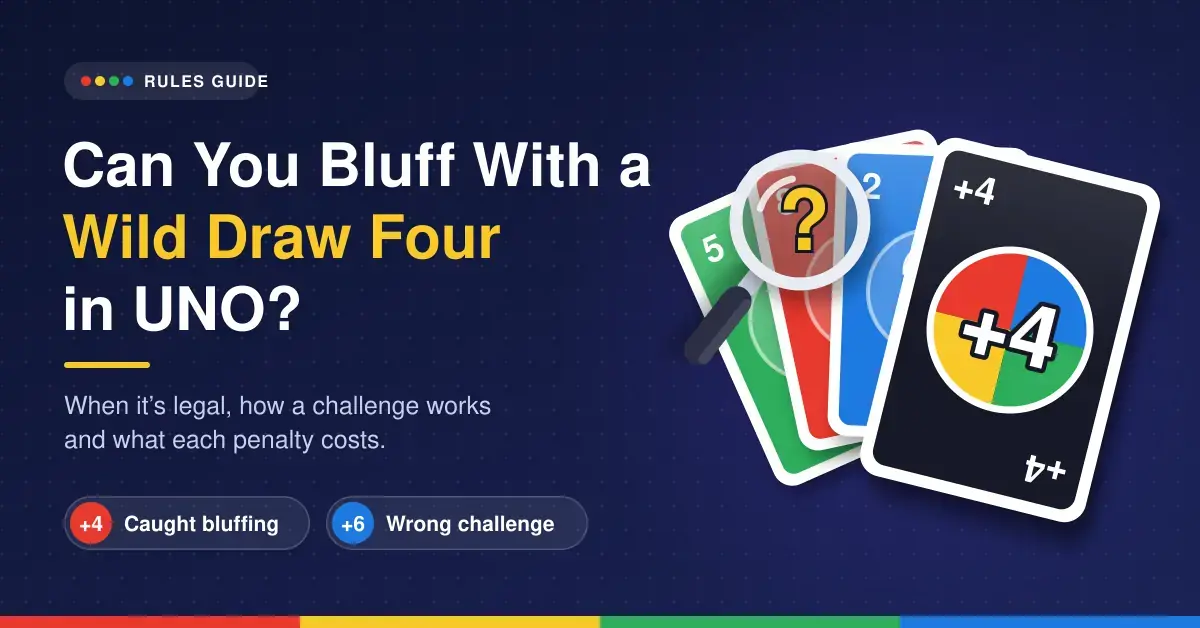
- Wild Draw Four: You cannot play it if you have a matching color in hand.
- Uno Penalty: Only applies if you are caught before the next person moves.
Two-Player Reverse: Acts as a Skip; the current player takes another turn.
Draw Two Penalty: You draw 2 and lose your turn; no exceptions.
Wild Draw Four: You cannot play it if you have a matching color in hand.
Uno Penalty: Only applies if you are caught before the next person moves.
Final Thoughts on Uno Hello Kitty
Uno Hello Kitty is a delightful blend of Sanrio charm and classic card strategy. By incorporating beloved characters like Hello Kitty, My Melody, and Keroppi with the high-stakes matching of Uno, Mattel has created a version that is accessible to children while remaining deeply tactical for adults. For the New Zealand gaming community, it serves as a perfect centerpiece for family gatherings, providing endless rounds of unpredictable fun. Whether you are using Badtz-Maru to disrupt a rival's progress or Hello Kitty to lead you to victory, mastering these rules is the first step toward becoming a Sanrio-themed Uno champion.
Quick Reference Summary Table
| Game Aspect | Detail |
|---|---|
| Deck Size | 112 Cards. |
| Winning Score | 500 Points accumulated over rounds. |
| Special Card | Badtz-Maru Wild (Draw until match). |
| Hand Size | 7 Cards per player. |
FAQ
How many cards are in an Uno Hello Kitty deck? The deck contains 112 cards, including standard colors, numbers, and special action cards featuring Sanrio characters.
What does the Badtz-Maru card do? It acts as a Wild card and forces the next player to draw cards from the pile until they find a card matching the color chosen.
Can two people play Uno Hello Kitty? Yes, it is designed for 2 to 10 players. In two-player games, the Reverse card acts as a Skip card.
What is the penalty for not saying Uno? If caught by another player before the next person takes their turn, you must draw two cards as a penalty.
How many points is the Hello Kitty card worth? The point value is determined by the number or action on the card (0-9 or 20 for actions), not the character itself.
Can I stack Draw Two cards in this version? According to official rules, you cannot stack Draw Two cards; the next player must draw and skip their turn.
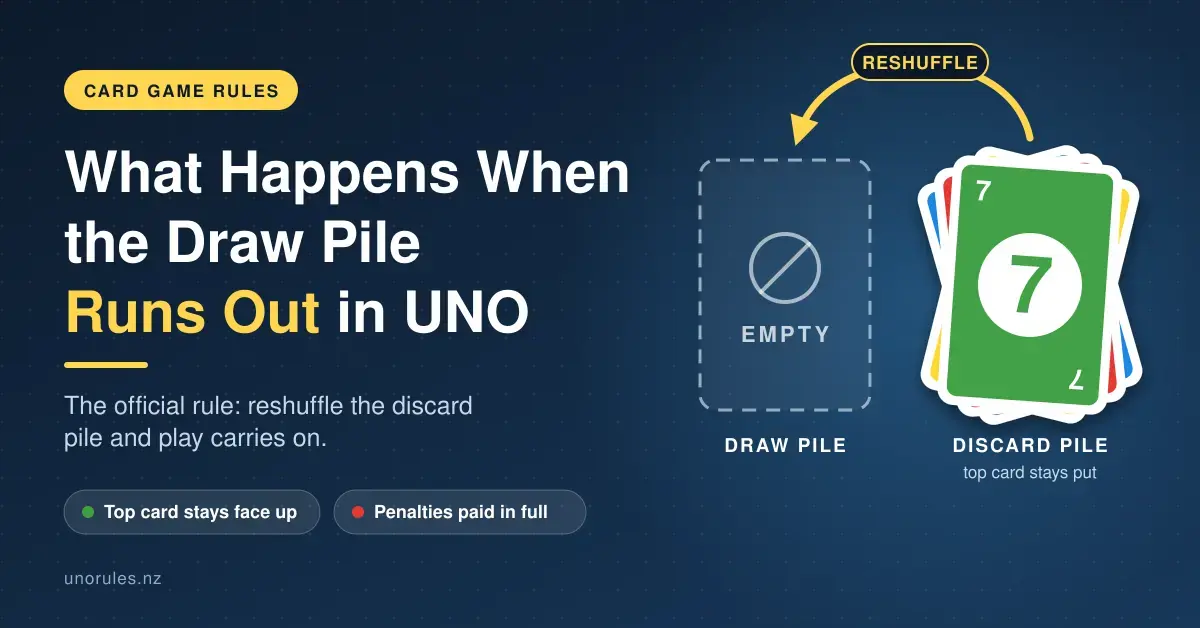
What happens if the Draw Pile runs out? The Discard Pile is reshuffled (except for the top card) and placed face-down to form a new Draw Pile.
Is Uno Hello Kitty suitable for young children? Yes, the game is recommended for ages 7+, but younger children can enjoy it for color and character matching.
How do I win the whole game? The first player to reach a cumulative total of 500 points across multiple rounds is declared the overall winner.
What are the four colors used in the game? The colors are the standard Red, Blue, Yellow, and Green, each associated with specific Sanrio characters.
IMAGE LIST FORMAT: create image for; uno-hello-kitty-setup-guide.jpg – “A top-down view of a colorful Uno Hello Kitty card game set up on a wooden table, with various Sanrio character cards dealt and the Badtz-Maru card visible.”
METAS: META TITLE: Uno Hello Kitty Rules: The Complete Strategy & Play Guide META DESCRIPTION: Master the Uno Hello Kitty rules with our expert guide. Learn about the special Badtz-Maru card, character matching, scoring, and winning strategies.