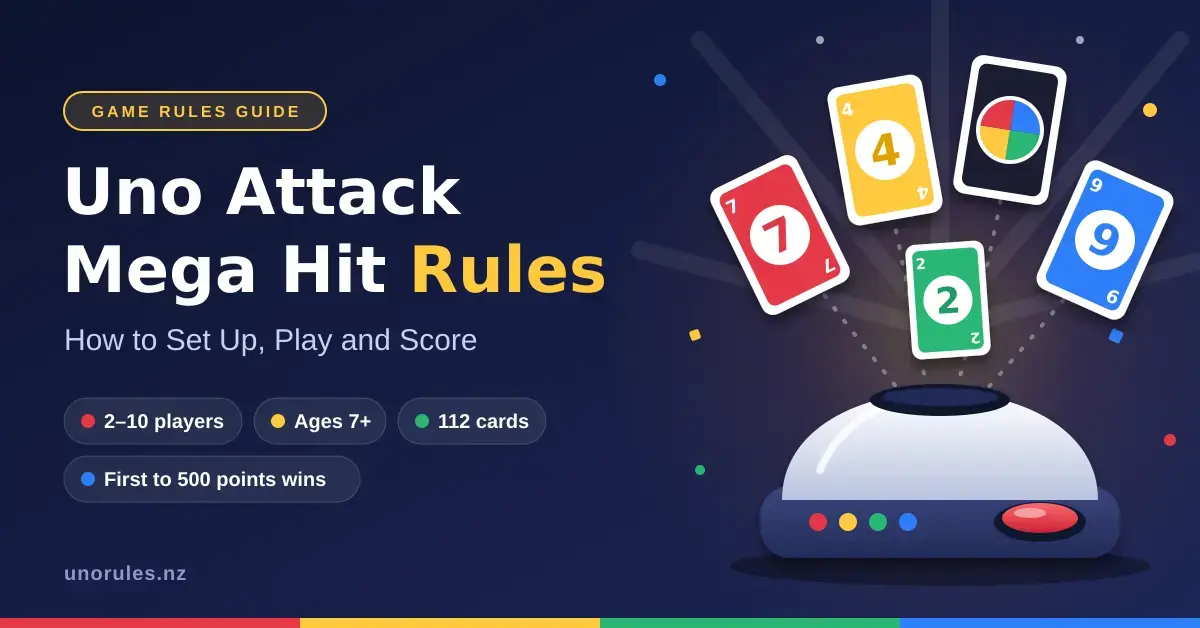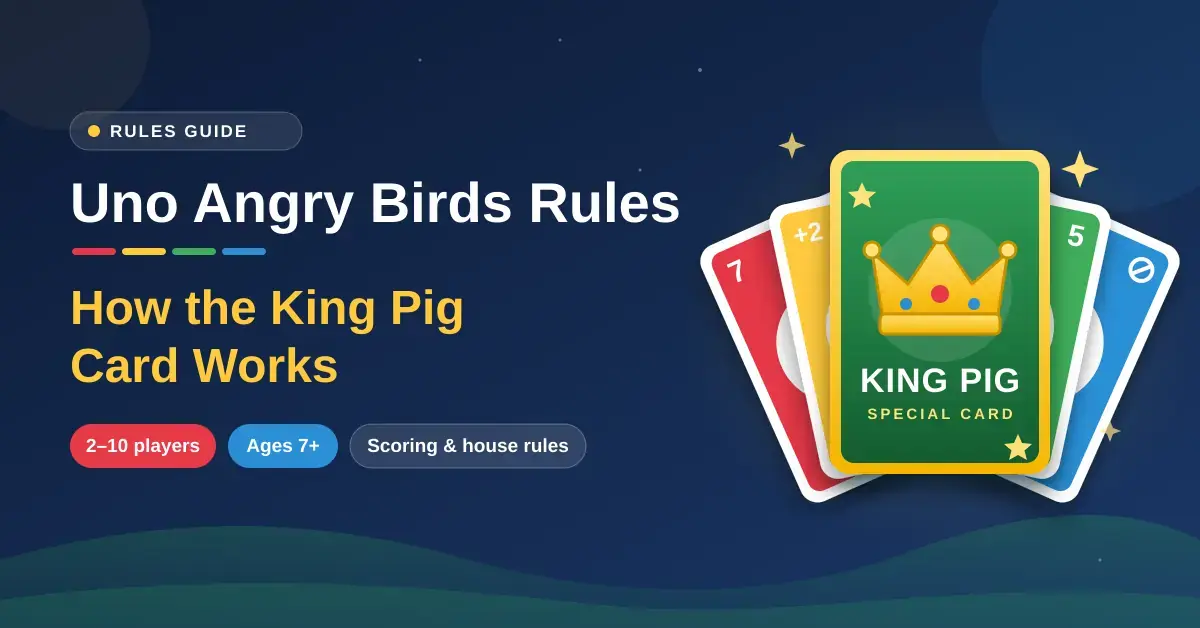
This comprehensive guide explores the vibrant and expressive world of Uno Emoji, detailing the specific rules, unique action cards, and strategic nuances that define this emojified version of the classic card game. We cover everything from the initial setup and card dealing to the specialized "Emoji Wild Card" rule that requires players to mimic iconic expressions. Whether you are playing in a social club in Auckland or a family gathering in Christchurch, this guide provides actionable insights into the scoring systems, penalty structures, and tactical maneuvers needed to dominate the table. By the end of this article, you will understand how to integrate the fun of digital icons with the competitive edge of traditional Uno, ensuring your next game night is both entertaining and strategically sound.

Introduction to the Expressive Mechanics of Uno Emoji
Uno Emoji takes the globally recognized "match-by-color-or-number" logic of the original card game and infuses it with the universal language of emojis. In this edition, every card features a popular digital icon, ranging from the laughing-crying face to the heart-eyes emoji, adding a layer of visual flair and social interaction. For the New Zealand gaming audience, this version offers a more modern and lighthearted approach to the classic deck, making it particularly popular among younger generations and those who enjoy communicative gameplay. The fundamental objective remains the same: be the first player to empty your hand of cards by matching the top card of the discard pile. However, the presence of the unique "Emoji Rule" card introduces a physical and vocal component that differentiates this edition from the standard 108-card deck.
- Visual Engagement: Every card features a unique emoji that corresponds to its function or number.
- Unique Special Rule: Includes a specialized Wild Card that forces players into face-to-face mimicry.
- Standard Composition: Includes the four classic colors (Red, Yellow, Green, Blue) and traditional action cards.
- Target Audience: Ideal for ages 7 and up, accommodating 2 to 10 players.
Visual Engagement: Every card features a unique emoji that corresponds to its function or number.
Unique Special Rule: Includes a specialized Wild Card that forces players into face-to-face mimicry.
Standard Composition: Includes the four classic colors (Red, Yellow, Green, Blue) and traditional action cards.
Target Audience: Ideal for ages 7 and up, accommodating 2 to 10 players.
Setting Up Your Uno Emoji Match
To begin a match of Uno Emoji, players must first select a dealer by drawing a card from the deck; the person with the highest numerical value takes the responsibility of dealing. The dealer shuffles the 112-card deck and distributes seven cards face-down to each participant. The remaining cards form the Draw Pile, and the top card is flipped over to create the Discard Pile. In the context of New Zealand home games, it is common to ensure the playing surface is well-lit to clearly distinguish between the similar-looking emoji expressions, as some strategic cards rely on quick visual recognition.
Organizing the Play Area
A tidy play area is essential for maintaining the flow of an Uno Emoji session. The dealer should place the Draw Pile in the center, with the Discard Pile immediately adjacent. Players are encouraged to organize their hands by color or numerical value to speed up their reaction time. If the first card flipped to start the Discard Pile is an action card (like a Skip or Draw Two), its effect typically applies to the player to the left of the dealer, who starts the game in a clockwise direction.
| Setup Step | Action Required | Responsibility |
|---|---|---|
| 1. Choose Dealer | High card draw; highest number deals. | All Players |
| 2. Deal Cards | Distribute 7 cards face-down per player. | Dealer |
| 3. Create Piles | Place Draw Pile in center; flip top card for Discard. | Dealer |
| 4. Start Play | Player to dealer’s left plays first (clockwise). | Starting Player |
Mastering the Matching Logic with Emojis
The core gameplay of Uno Emoji follows the traditional matching system. On your turn, you must place a card from your hand onto the discard pile that matches either the color, number, or emoji symbol of the top card. For instance, if the top card is a Blue 7 (featuring a sunglasses emoji), you can play any Blue card, any 7 of a different color, or a Wild card. If you do not have a matching card, you must draw one from the Draw Pile. If the drawn card is playable, you may put it down immediately; otherwise, your turn ends.
The Nuances of Emoji Recognition
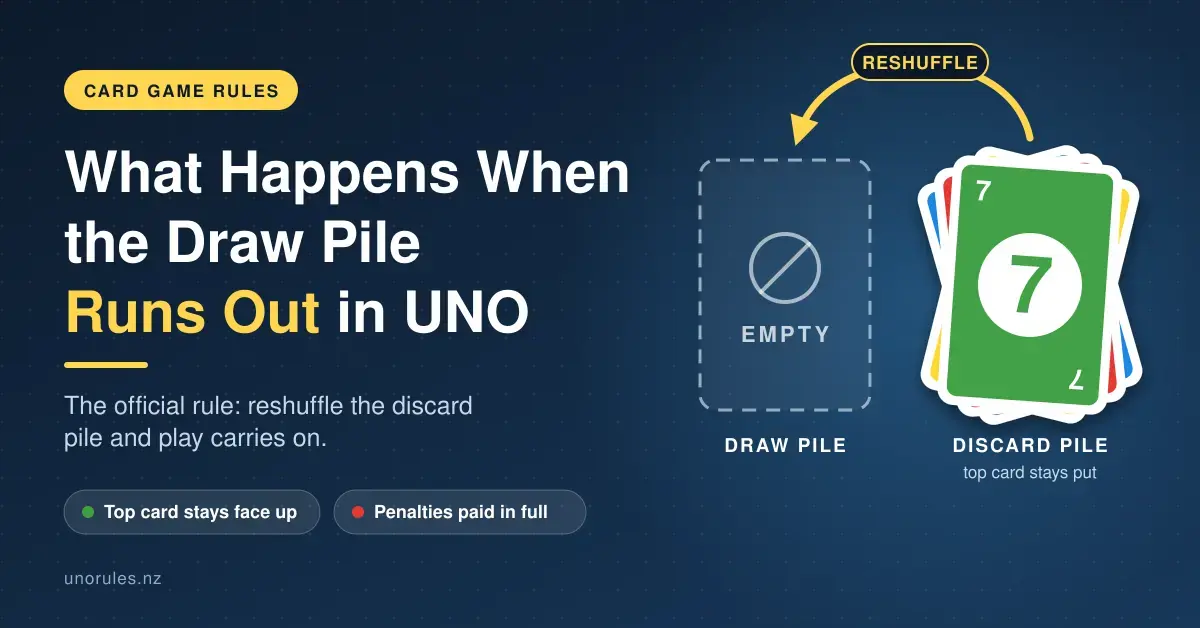
Because many emojis share similar color palettes, New Zealand players often find it helpful to focus on the numerical indicators in the corners of the cards rather than just the central artwork. This prevents accidental misplays, which can be heavily penalized in competitive social clubs. If the Draw Pile is exhausted before a player wins, the Discard Pile—excluding the top card—is reshuffled to replenish the Draw Pile, ensuring the match continues until a victor emerges.
- Match by Color: Playing a Red card on a Red card.
- Match by Number: Playing a 5 on a 5 of any color.
- Match by Symbol: Playing a Skip on a Skip.
- Draw Rule: If no match is possible, draw one card and pass if unplayable.
Match by Color: Playing a Red card on a Red card.
Match by Number: Playing a 5 on a 5 of any color.
Match by Symbol: Playing a Skip on a Skip.
Draw Rule: If no match is possible, draw one card and pass if unplayable.
Understanding the Standard Action Cards
Action cards are the primary tools for disrupting your opponents' progress in Uno Emoji. The "Skip" card forces the next player to lose their turn, while the "Reverse" card switches the direction of play. These are vital for preventing a player with only one or two cards left from reaching the finish line. The "Draw Two" card is an aggressive move that forces the next player to add two cards to their hand and skip their turn, making it a staple of tactical play in the Kiwi gaming circuit.
Strategic Use of Skip and Reverse
In a high-stakes match, the timing of these cards is everything. Using a "Reverse" card in a two-player game effectively acts as a "Skip," as the turn immediately returns to you. In larger groups, a "Skip" should be reserved for the player who appears most likely to call "Uno" next. Understanding the psychological state of your opponents based on their emoji-laden hand is a unique skill developed through consistent play. .Read more in Wikipedia.
| Action Card | Effect on Next Player | Points Value |
|---|---|---|
| Skip | Misses a turn. | 20 Points |
| Reverse | Direction of play changes. | 20 Points |
| Draw Two | Draws 2 cards and misses a turn. | 20 Points |
| Wild | Choose next color. | 50 Points |
The Exclusive Emoji Wild Card Rule
The standout feature of this edition is the "Emoji Wild Card." When you play this card, you not only get to choose the next color of play, but you also force the next player in the rotation to perform a specific action. The player who played the Wild card chooses an emoji expression (e.g., the "silly face" or "angry face"). The next player must then mimic that expression and hold it until their next turn. If they fail to keep the face or refuse to do it, they must draw two cards as a penalty.
Engaging the Table with Mimicry
This rule adds a layer of social comedy that is perfect for the New Zealand "good-natured banter" style of play. It turns a standard card game into a performance, where maintaining focus becomes a challenge. The player who chooses the expression should pick something difficult to hold without laughing, as the goal is to induce a mistake and a subsequent draw penalty. This mechanic encourages players to pay closer attention to each other's faces, creating a more connected and interactive atmosphere.
- The Action: Player A plays the card and picks a face.
- The Requirement: Player B must mimic and hold the face.
- The Duration: The face must be held until Player B's next turn starts.
- The Penalty: Failure to maintain the expression results in drawing 2 cards.
The Action: Player A plays the card and picks a face.
The Requirement: Player B must mimic and hold the face.
The Duration: The face must be held until Player B's next turn starts.
The Penalty: Failure to maintain the expression results in drawing 2 cards.
The Power of Wild and Wild Draw Four Cards
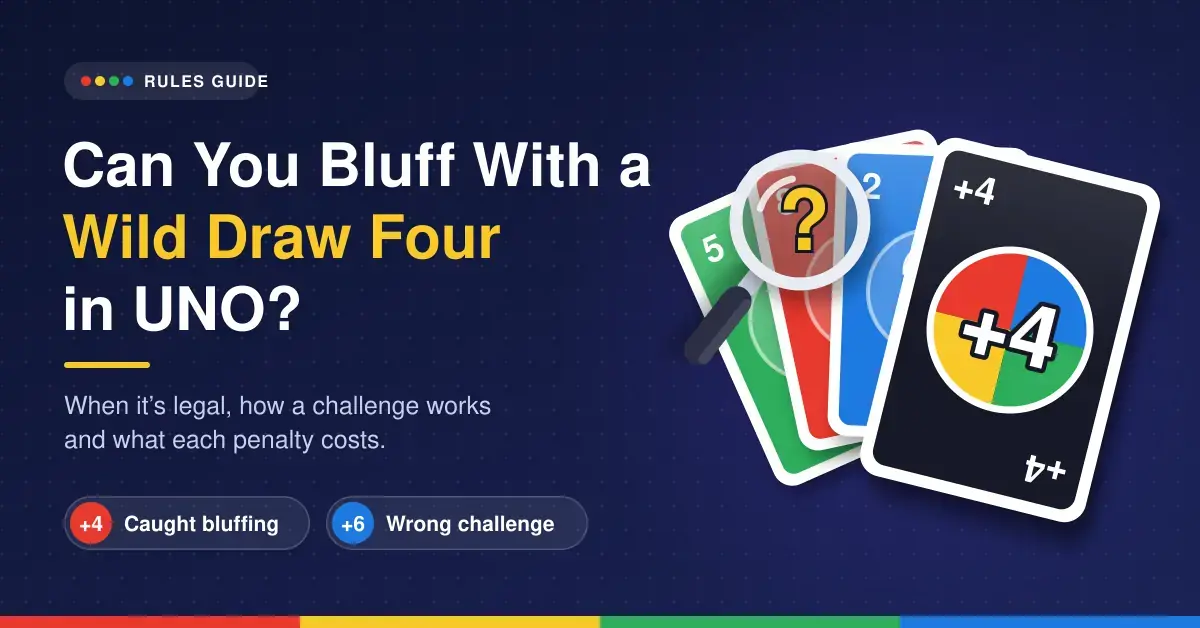
Beyond the specialized Emoji Wild, the deck includes standard Wild and Wild Draw Four cards. The standard Wild allows the player to change the active color, which is essential for escaping a hand of a single color. The Wild Draw Four is the most potent card in the game, allowing the player to change the color and force the next player to draw four cards and miss their turn. However, this card can only be played if the holder has no cards in their hand that match the color of the discard pile.
Challenging the Wild Draw Four
In competitive New Zealand play, the "challenge" rule is frequently invoked. If a player suspects they were targeted by an illegal Wild Draw Four, they can challenge the play. The accused must show their hand to the challenger. If guilty (they had a matching color), they draw the 4 cards themselves. If innocent, the challenger must draw the 4 cards plus an additional 2 cards as a penalty for a false accusation. This adds a high-risk bluffing element to the endgame.
| Card Type | Flexibility | Draw Penalty |
|---|---|---|
| Standard Wild | High (Play anytime). | None |
| Emoji Wild | High (Play anytime). | 2 (If face is dropped). |
| Wild Draw Four | Restricted (Color match). | 4 |
The Essential "Uno" Declaration
One of the most critical rules in Uno Emoji is the "Uno" shout. When a player has exactly one card remaining in their hand, they must loudly announce "Uno." If they are caught by an opponent before the next player begins their turn, the penalty is a draw of two cards. This rule is often where matches are won or lost in fast-paced Auckland gaming cafes, as the excitement of a potential win frequently leads to a lapse in memory.
Timing the Catch
The "catch" must occur after the second-to-last card touches the discard pile but before the next person draws or plays. It is the responsibility of every opponent to be vigilant. In Uno Emoji, the distraction of the Emoji Wild card mimicry often makes it easier for players to sneak their last card in without being noticed. Keeping a sharp eye on the card counts of your rivals is a fundamental defensive strategy.
- The Trigger: Having exactly one card left in hand.
- The Window: After playing the 2nd to last card, before the next turn starts.
- The Penalty: Drawing 2 cards from the Draw Pile.
- Etiquette: Players should not hide their cards under the table to avoid detection.
The Trigger: Having exactly one card left in hand.
The Window: After playing the 2nd to last card, before the next turn starts.
The Penalty: Drawing 2 cards from the Draw Pile.
Etiquette: Players should not hide their cards under the table to avoid detection.
Scoring and Winning the Match
While winning a single round is satisfying, the ultimate champion of Uno Emoji is usually determined by points. When a player "goes out" (empties their hand), they receive points based on the cards left in their opponents' hands. Standard number cards (0-9) are worth their face value. Action cards like Skip, Reverse, and Draw Two are worth 20 points each. All Wild cards, including the Emoji Wild and Wild Draw Four, are worth 50 points each. The first player to reach a cumulative total of 500 points wins the match.
Calculating the Final Tally
After a round ends, the winner collects all remaining cards from other players. In the New Zealand tournament format, a designated scorekeeper usually manages the tally on a notepad or mobile app. This scoring system encourages players to play their high-value cards early in a round, as being caught with multiple Wild cards in your hand when someone else wins can be devastating to your overall standing.
| Card Category | Point Value | Strategy |
|---|---|---|
| Numbers (0-9) | Face Value | Safe to hold mid-game. |
| Skip/Reverse/Draw Two | 20 Points | Use to block leaders. |
| All Wild Variants | 50 Points | Play early to avoid penalty. |
| Victory Goal | 500 Points | Requires multiple rounds. |
Strategic Advice for New Zealand Players
Success in Uno Emoji requires a blend of offensive and defensive tactics. One common strategy is "color hoarding," where you collect cards of a specific color and then use a Wild card to switch the game to that color when you know your opponents are likely lacking it. Additionally, the Emoji Wild card should be used as a targeted strike against the player with the fewest cards, as forcing them to maintain a silly face can distract them from their own strategic planning or the "Uno" declaration.
Hand Management and Observation
Pay close attention to which colors your opponents are drawing for. If a player draws multiple times when the color is Green, it is highly likely they have no Green cards. Use your Wild cards to keep the game on Green as long as possible to force them to draw more. In the social gaming circles of Wellington and Dunedin, being able to read an opponent’s "emoji face" for signs of frustration or confidence is a legitimate part of the competitive meta.
- Track the Draws: Identify which colors are missing from opponents' hands.
- Save Your Wilds: Keep one Wild card for your final move to guarantee an out.
- The Mockery Tactic: Use the Emoji Wild to make leaders uncomfortable.
- Point Dumping: If an opponent has one card, play your 50-point cards immediately.
Track the Draws: Identify which colors are missing from opponents' hands.
Save Your Wilds: Keep one Wild card for your final move to guarantee an out.
The Mockery Tactic: Use the Emoji Wild to make leaders uncomfortable.
Point Dumping: If an opponent has one card, play your 50-point cards immediately.
Common Mistakes and Rule Clarifications
A frequent error in Uno Emoji is misinterpreting the "Emoji Wild" mimicry rule. Some players think the face only needs to be made for a few seconds. In reality, it must be held until the mimic's next turn begins. Another common mistake involves the "Draw One" rule; you only draw a single card if you cannot play, you do not draw until you find a match unless you have explicitly agreed on that "house rule" before the start of the game.
Clarifying the Reverse in 2-Player Games
Many new players are confused by the "Reverse" card in a two-player setting. Official Mattel rules state that in a 1v1 game, the Reverse card acts exactly like a Skip card. The turn order flips, which in a two-person loop means it returns directly to the person who played it. Clarifying these technicalities before the first deal prevents disputes and ensures a smooth, competitive experience for everyone involved.
- Holding the Face: It must last until your next turn starts.
- One Card Draw: Only one card is taken from the pile if no match exists.
- Shouting Uno: It must be audible; a whisper does not count.
- Illegal Wild Draw Four: Don't play it if you have a matching color in hand.
Holding the Face: It must last until your next turn starts.
One Card Draw: Only one card is taken from the pile if no match exists.
Shouting Uno: It must be audible; a whisper does not count.
Illegal Wild Draw Four: Don't play it if you have a matching color in hand.
Final Thoughts on Uno Emoji
Uno Emoji is a successful evolution of the classic franchise, bridging the gap between traditional tabletop gaming and modern digital culture. Its emphasis on social interaction through the mimicry rule makes it a standout choice for gatherings where the goal is laughter as much as competition. For New Zealanders, it provides a fresh way to enjoy a household staple, ensuring that every match is filled with expressive faces and unpredictable turns. By mastering the rules of the Emoji Wild card and the intricacies of the scoring system, you can elevate your game night from a casual pastime to a tactical challenge that rewards both wit and focus.
Quick Reference Summary Table
| Game Aspect | Detail |
|---|---|
| Max Players | 10 Participants. |
| Winning Score | 500 Points across rounds. |
| Special Card | Emoji Wild (Face mimicry). |
| Uno Penalty | 2 Card Draw. |
FAQ
How many cards are in an Uno Emoji deck? The deck contains 112 cards, which includes the standard 108 cards and 4 specialized Emoji Wild cards.
What happens if I forget to hold the emoji face? If you drop the expression or refuse to make it before your next turn, you must draw two cards as a penalty.
Can I play a Wild Draw Four if I have a matching number? Yes, you can. You are only restricted from playing it if you have a matching color in your hand.
Do I have to say Uno in this version? Yes, the standard rule applies; you must shout "Uno" when you have only one card remaining.
How many points is the Emoji Wild card worth? The Emoji Wild card is worth 50 points if it is still in an opponent's hand at the end of a round.
What is the best strategy for the Emoji Wild? Target the player with the fewest cards to distract them and potentially force a draw penalty.
Is Uno Emoji suitable for young children? Absolutely, the emoji artwork makes it very accessible for children aged 7 and up to recognize symbols and colors.
What happens if the Draw Pile runs out? The Discard Pile is reshuffled (excluding the top card) and becomes the new Draw Pile.
Can you stack Draw Two cards? According to official rules, no. Each player must resolve the card played by the person before them.
How do I win a match of Uno Emoji? The first player to reach 500 points accumulated from their opponents' hands across multiple rounds wins.