Uno Braille Rules: The Complete Guide to Accessible Gaming

This comprehensive guide explores the specialized mechanics and inclusive design of Uno Braille, detailing how the game bridges the gap between sighted and blind or low-vision players. We examine the tactile features of the cards, the specific Braille numbering and color coding used on every card, and how the standard Uno rules have been adapted to ensure a seamless, competitive experience for everyone involved. From the initial setup and card dealing to the critical "Uno" declaration and advanced scoring methods, this guide provides actionable insights for New Zealand households and social clubs. By understanding the unique tactile language of this edition, players can foster a truly accessible environment where strategy and luck remain the primary drivers of success, regardless of visual ability.

Introduction to Tactile Inclusivity in Uno Braille

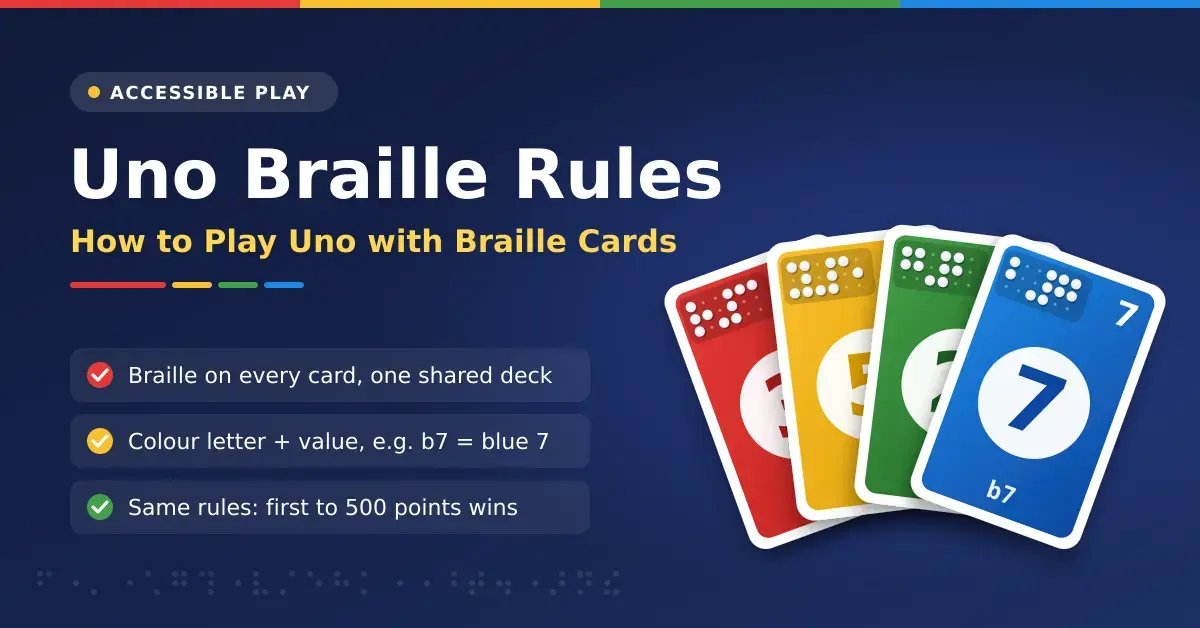
Uno Braille represents a significant milestone in accessible tabletop gaming, utilizing standard Braille dots to convey color, number, and action instructions on every single card in the 112-card deck. Developed in collaboration with the National Federation of the Blind, this edition ensures that players who are blind or have low vision can compete on an equal footing with sighted players without needing sighted assistance. In the New Zealand context, where community inclusivity is a core social value, Uno Braille has become a staple for integrated play. The game retains all the fast-paced energy of the original while introducing a tactile layer that requires players to "read" their hand through touch, adding a new dimension to the classic matching logic.

  • Tactile Accessibility: Every card features Braille markings in the corners for easy identification.
  • Deck Composition: Includes 112 cards (numbers 0-9 in four colors, plus action cards).
  • Player Interaction: Designed for 2 to 10 players, fostering social integration.
  • Packaging: Often includes Braille on the box and instructions accessible via voice-enabled platforms.

Tactile Accessibility: Every card features Braille markings in the corners for easy identification.

Deck Composition: Includes 112 cards (numbers 0-9 in four colors, plus action cards).

Player Interaction: Designed for 2 to 10 players, fostering social integration.

Packaging: Often includes Braille on the box and instructions accessible via voice-enabled platforms.

FeatureStandard UnoUno Braille
Card IdentificationVisual onlyVisual and Tactile (Braille)
Action SymbolsPrinted graphicsPrinted graphics + Braille coding
AccessibilityLimited for low visionFully accessible for the blind
Game SpeedHighHigh (with tactile familiarity)

Setting Up Your Uno Braille Match

Setting up a game of Uno Braille follows the traditional structure but requires a focus on tactile organization. Before the match begins, it is helpful for all players to familiarize themselves with the Braille placement—usually found in the top left and bottom right corners of the cards. To determine the dealer, each player draws a card; the person with the highest number (tactilely identified) deals. The dealer shuffles the deck and distributes seven cards face-down to each player. Sighted and non-sighted players alike keep their hands private, with non-sighted players using their fingers to scan their cards.

Initial Game Flow and the Discard Pile

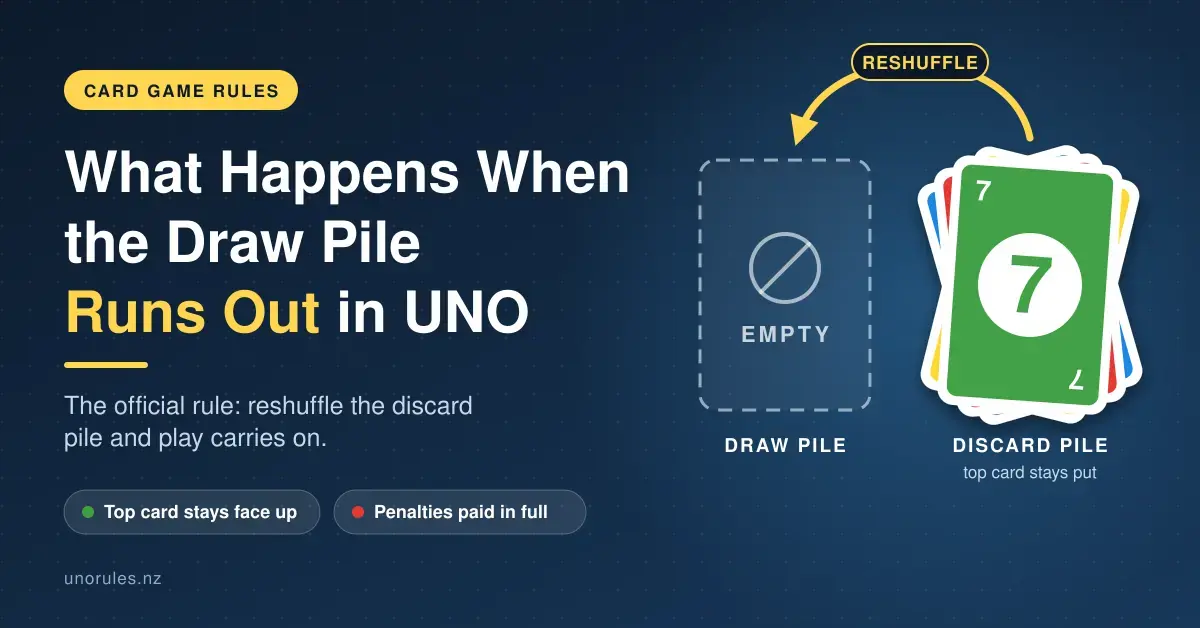
The remaining cards form the Draw Pile, while the top card is flipped to start the Discard Pile. If a player is blind, it is common courtesy for the dealer or a sighted player to announce the starting card out loud (e.g., "Red Five"). Throughout the game, every played card should be announced to maintain a shared mental map of the game state. This verbal reinforcement, combined with the ability to touch the discard pile to verify the top card, ensures that no player is left at a disadvantage during the transition between turns.

  • Dealer Selection: High card draw identifies the dealer.
  • Card Distribution: Seven cards per player, dealt one at a time.
  • Verbal Announcements: Essential for synchronized play between sighted and blind players.
  • Tactile Verification: Players are permitted to touch the discard pile to identify the current card.

Dealer Selection: High card draw identifies the dealer.

Card Distribution: Seven cards per player, dealt one at a time.

Verbal Announcements: Essential for synchronized play between sighted and blind players.

Tactile Verification: Players are permitted to touch the discard pile to identify the current card.

Setup StepActionNew Zealand Context Tip
1. ShuffleMix cards thoroughly.Use a card tray to keep piles tidy.
2. Deal7 cards per player.Hand cards directly to non-sighted players.
3. Start PileFlip the top card.Announce the color and number clearly.
4. OrientationCheck card corners.Ensure Braille is right-side up for the player.

Mastering the Braille Coding System

To play Uno Braille effectively, one must understand the specific coding used. Each card features two lines of Braille. The first line indicates the color (Red, Yellow, Blue, or Green), and the second line indicates the number or action. For example, a Red 7 would have the Braille for "R" followed by the Braille for "7". Action cards like Skip, Reverse, and Draw Two also have distinct Braille abbreviations (e.g., "S" for Skip). This standardized system allows for quick identification once a player becomes accustomed to the tactile layout, preventing the game from slowing down.

Tactile Identification of Action Cards

Action cards are the primary way to disrupt opponents, and in Uno Braille, they are identified by letter codes. A "Draw Two" card is often marked with "D2" in Braille, while "Wild" cards are marked with a "W". Because these cards have higher point values and significant gameplay impact, non-sighted players often organize them specifically within their hand for quick access. .Read more in Wikipedia.

  • Color Codes: R (Red), Y (Yellow), B (Blue), G (Green).
  • Number Codes: Standard Braille numbering from 0 to 9.
  • Action Codes: S (Skip), R (Reverse), D2 (Draw Two).
  • Wild Codes: W (Wild), W4 (Wild Draw Four).

Color Codes: R (Red), Y (Yellow), B (Blue), G (Green).

Number Codes: Standard Braille numbering from 0 to 9.

Action Codes: S (Skip), R (Reverse), D2 (Draw Two).

Wild Codes: W (Wild), W4 (Wild Draw Four).

Standard Action Cards and Tactile Play

The mechanics of action cards remain unchanged in the Braille edition, but their execution requires clear communication. When a "Skip" card is played, the next player is passed over; announcing "Skip" clearly ensures the non-sighted player knows the turn order has shifted. Similarly, a "Reverse" card changes the direction of play. For a player who relies on sound and touch, knowing the direction (clockwise or counter-clockwise) is vital for tracking when their turn is approaching.

Draw Two and Color Matching

When a "Draw Two" is played, the next player must pick up two cards from the Draw Pile and forfeit their turn. In Uno Braille, the player drawing the cards should be given a moment to scan their new additions tactilely. Matching the active card follows the same logic: you must match by color, number, or symbol. If a player cannot match, they draw a card. If the drawn card is playable, they can play it immediately; otherwise, play passes to the next person.

Action CardVisual SymbolBraille CodeEffect
Skip🚫SNext player misses a turn.
Reverse⇄RDirection of play changes.
Draw Two+2D2Next player draws 2 cards, loses turn.
Wild⦾WPlayer changes the active color.

The Power of Wild and Wild Draw Four Cards

Wild cards are the ultimate strategic tools in Uno Braille. A standard Wild card allows the player to change the active color to anything they choose. For a non-sighted player, this is a powerful defensive move to steer the game toward a color they hold in abundance. When a Wild card is played, the player must announce the new color loudly and clearly. The Wild Draw Four is even more potent, requiring the next player to draw four cards and miss their turn, but it can only be played if the holder does not have a card matching the current color in the discard pile.

Challenging a Wild Draw Four

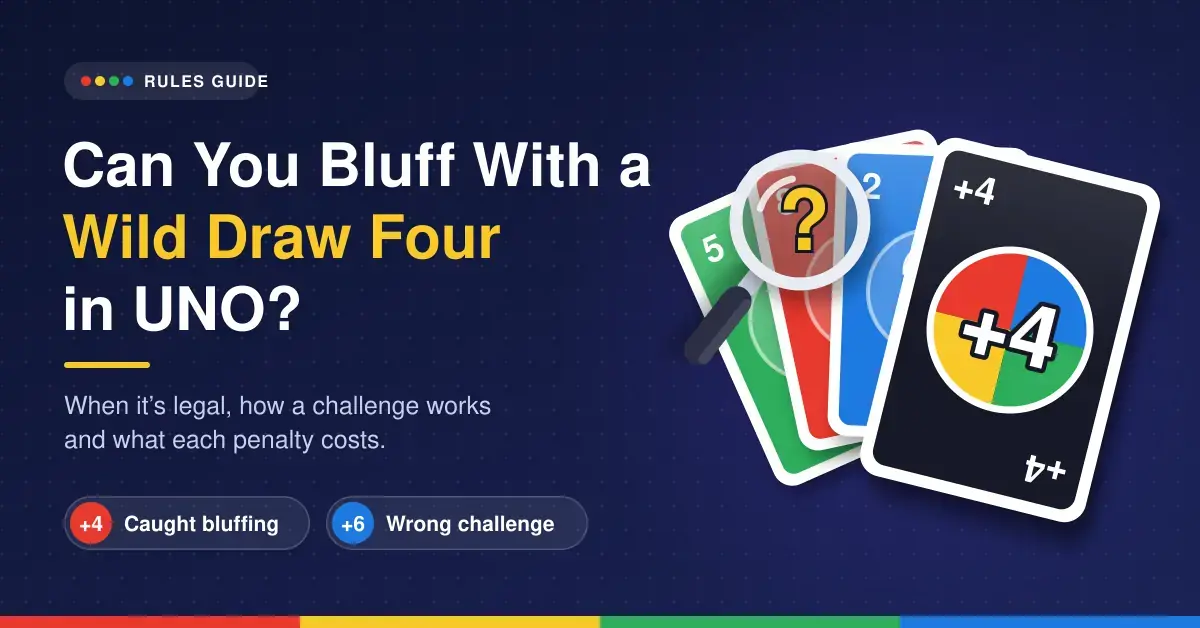
In competitive New Zealand play, the "challenge" rule is often utilized. if a player suspects a Wild Draw Four was played illegally (meaning the player had a matching color), they can challenge. The challenged player must show their hand to the challenger (or a neutral sighted party). if guilty, the player draws 4; if innocent, the challenger draws 6. In Uno Braille, this challenge involves a tactile or verbal verification of the hand, maintaining the integrity of the high-stakes move.

  • Wild Strategy: Use to change the game to your strongest color.
  • Wild Draw Four: Best used when an opponent has a small hand.
  • Announcements: Always declare the new color immediately.
  • Penalties: Challenge failures result in a 6-card draw penalty.

Wild Strategy: Use to change the game to your strongest color.

Wild Draw Four: Best used when an opponent has a small hand.

Announcements: Always declare the new color immediately.

Penalties: Challenge failures result in a 6-card draw penalty.

The Essential "Uno" Declaration

The most critical rule in any Uno game is declaring "Uno" when you have exactly one card left. In Uno Braille, this rule is strictly enforced to keep the game fair. The moment a player plays their second-to-last card, they must shout "Uno". if they are caught by an opponent before the next player begins their turn, they must draw two penalty cards. For non-sighted players, listening for the sound of a card hitting the table or the announcement of the card is the cue to check if their opponent has shouted the declaration.

Tactile Cues for Opponents

Non-sighted players can monitor their opponents' hand sizes by listening to the cards being played or by occasionally asking for a "count". It is standard etiquette in Uno Braille for any player to provide an honest count of their remaining cards if asked. This transparency ensures that the "Uno" declaration remains a fair challenge for everyone, regardless of whether they can visually see the shrinking stack of cards in an opponent's hand.

  • When to Shout: When only one card remains in hand.
  • Penalty: Draw 2 cards if caught.
  • Etiquette: Players should honestly disclose their card count when asked.
  • Window of Opportunity: The catch must happen before the next player starts.

When to Shout: When only one card remains in hand.

Penalty: Draw 2 cards if caught.

Etiquette: Players should honestly disclose their card count when asked.

Window of Opportunity: The catch must happen before the next player starts.

ScenarioActionPenalty
Forget “Uno”Caught by opponent.Draw 2 cards.
False AccusationOpponent called “Uno” correctly.No penalty (usually).
Playing Final CardSuccessfully play last card.You win the round!
Last Card is Draw 2Next player draws before scoring.Points added to winner’s total.

Scoring and Winning the Game

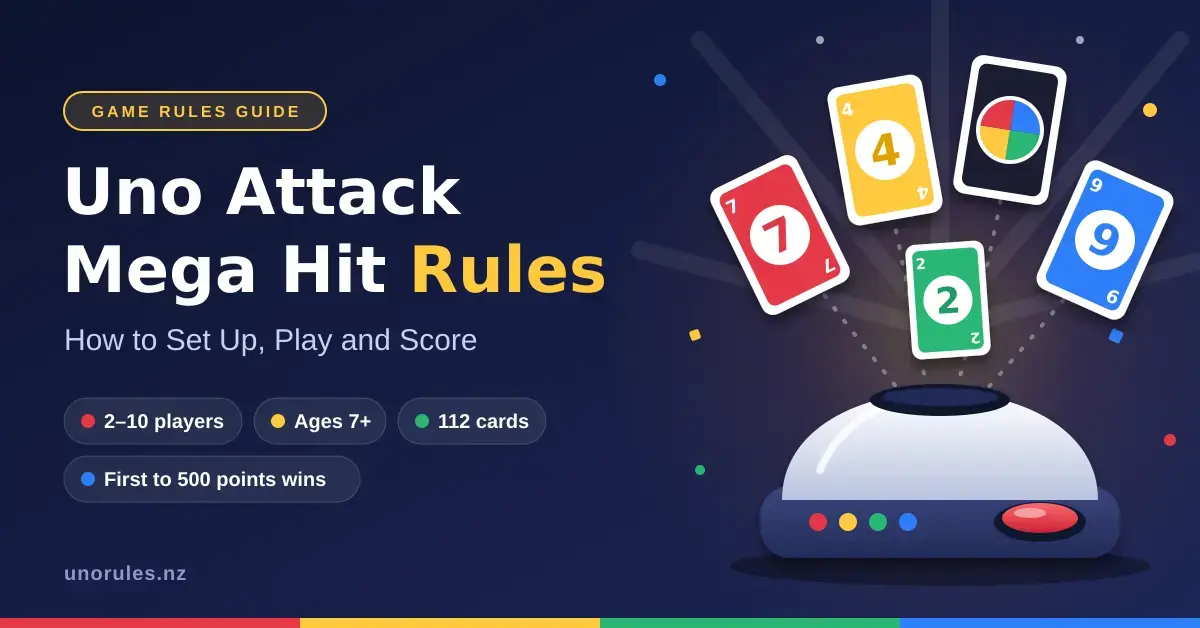
Winning a round of Uno Braille is achieved by being the first to empty your hand. However, the true winner of a match is determined by points accumulated over several rounds. When a player goes out, they receive points for all cards remaining in their opponents' hands. Number cards are worth their face value (0-9), while action cards (Skip, Reverse, Draw Two) are worth 20 points each. The high-value Wild and Wild Draw Four cards are worth 50 points each. The first player to reach 500 points is the ultimate champion.

Point Tallying with Accessibility in Mind

Tallying points in a mixed-ability group requires clear communication. A designated scorekeeper (usually a sighted player or someone using an accessible digital device) records the totals. Non-sighted players can verify the cards remaining in their hands to ensure the count is accurate. This point system discourages players from "hoarding" Wild cards, as being caught with one at the end of a round significantly boosts the winner's score.

  • Number Cards: 0-9 points.
  • Action Cards: 20 points each.
  • Wild Cards: 50 points each.
  • Winning Threshold: 500 points.

Number Cards: 0-9 points.

Action Cards: 20 points each.

Wild Cards: 50 points each.

Winning Threshold: 500 points.

Strategic Advice for Braille Players

Success in Uno Braille involves more than just luck; it requires excellent hand organization and memory. Non-sighted players often organize their cards by color or by numerical value to make tactile scanning faster during their turn. For example, keeping all Red cards on the left and Green on the right allows for a quick response when a color is announced. Additionally, paying close attention to the verbal announcements of previous turns helps in tracking which colors are being played most frequently, indicating which colors opponents might be lacking.

Memory and Verbal Tracking

Because you cannot glance across the table to see what others are doing, memory is your greatest asset. Try to remember which players were forced to draw when a certain color was active. if the player to your right had to draw on "Blue," playing a Blue card (or using a Wild to change it to Blue) is a great way to force them to draw again or use a power card. This level of strategic play makes Uno Braille a deeply engaging mental exercise.

  • Hand Organization: Group cards by color for faster access.
  • Audio Tracking: Listen to every card announcement to map the deck.
  • Defensive Wilds: Save Wilds to escape colors you don't have.
  • Card Counting: Keep a mental note of how many Skips or Reverses have been played.

Hand Organization: Group cards by color for faster access.

Audio Tracking: Listen to every card announcement to map the deck.

Defensive Wilds: Save Wilds to escape colors you don't have.

Card Counting: Keep a mental note of how many Skips or Reverses have been played.

StrategyExecutionBenefit
Color SortingPlace like-colors together.Reduces turn time.
Action HoardingSave Draw Twos for the endgame.Stops opponents from winning.
Verbal CuesAsk “How many cards?”Identifies who to target.
Wild ManagementPlay 50-pt cards early.Limits point loss if you lose.

Common Mistakes and Etiquette

The most common mistake in Uno Braille is failing to announce the card played. In a sighted game, this is often skipped, but in a Braille match, it is a requirement for accessibility. Another error is the incorrect orientation of cards. Since Braille is directional, players must ensure their cards are right-side up. Using a card holder can be very helpful for children or new Braille learners to keep their cards oriented correctly and prevent them from dropping.

Respecting the Tactile Space

Players should avoid touching other people's cards unless invited to do so (such as during a challenge). Respecting the tactile space of a non-sighted player is just as important as not "peeking" at a sighted player's hand. Additionally, ensure the playing surface is flat and clutter-free so that cards can be easily located by touch when drawn from the pile.

  • Silence is a Barrier: Always announce your play.
  • Orientation Matters: Keep cards face-up/right-side up in the hand.
  • Clear the Deck: Keep the Draw and Discard piles in consistent locations.
  • Patience: Allow non-sighted players time to scan new cards.

Silence is a Barrier: Always announce your play.

Orientation Matters: Keep cards face-up/right-side up in the hand.

Clear the Deck: Keep the Draw and Discard piles in consistent locations.

Patience: Allow non-sighted players time to scan new cards.

Variations and House Rules in New Zealand

Many New Zealand families enjoy adding "House Rules" to spice up the game. A popular one is "Stacking," where a Draw Two can be played on top of another Draw Two, forcing the third player to draw four. While not in the official Mattel Braille instructions, it is a widely accepted variation. Another common rule is "Jump-In," where if you have the exact same card (color and number) as the one played, you can play it out of turn. For Braille players, this requires very fast tactile recognition and adds a high-energy "reflex" element to the game.

The "Silent" Challenge

Some groups play a variation where the game is played in total silence, forcing sighted players to rely on the tactile markings as well (if they know Braille) or simply making the announcements the only form of communication. This can be a fun way to build empathy and improve Braille skills among sighted participants. However, for a standard competitive match, clear and consistent verbalizing remains the gold standard for accessible play.

  • Stacking: Cumulative draw penalties (2+2=4).
  • Jump-In: Play out of turn with identical cards.
  • 7-0 Rule: Playing a 0 allows hand swapping; playing a 7 allows a trade.
  • Mercy Rule: Limit the number of cards a player must draw to 10.

Stacking: Cumulative draw penalties (2+2=4).

Jump-In: Play out of turn with identical cards.

7-0 Rule: Playing a 0 allows hand swapping; playing a 7 allows a trade.

Mercy Rule: Limit the number of cards a player must draw to 10.

Final Thoughts on Accessible Gaming

Uno Braille is more than just a card game; it is a bridge to social inclusion. By removing the visual barriers of traditional card games, it allows friends and family members of all sight levels to share in the joy of competition and strategy. For New Zealanders, it represents the best of our community spirit—ensuring that everyone has a seat at the table. By following the official rules, maintaining clear communication, and respecting the tactile nature of the deck, you can ensure your next game night is a "Mega Hit" for everyone involved.

Quick Reference Summary Table

Game ElementDetail
Total Cards112 with Braille markings.
GoalBe the first to score 500 points.
Starting Hand7 cards per player.
Special RuleMust announce every card played.

FAQ

How is Uno Braille different from regular Uno? The game is identical in rules but every card features tactile Braille markings for color and number identification.

Can sighted people play Uno Braille? Absolutely. The cards have standard printed numbers and colors so sighted and blind players can play together.

What are the Braille color codes? Usually, R stands for Red, Y for Yellow, B for Blue, and G for Green.

Is there a special way to shuffle Uno Braille cards? No, but players should be careful not to bend the cards, as flattened Braille dots are harder to read.

What happens if a player forgets to say "Uno"? If caught by an opponent, the player must draw two cards as a penalty.

How many cards are in the deck? The deck contains 112 cards, including numbers and special action cards.

Where can I find instructions for Uno Braille? The box usually includes Braille instructions, and Mattel provides accessible digital versions online.

Can you use card holders with Uno Braille? Yes, card holders are highly recommended to help players keep their cards organized and right-side up.

What is a Wild Draw Four? It is a card that changes the color and forces the next player to draw four cards, but it can be challenged.

How long does a typical game last? Depending on the number of players and the point limit, a match can last anywhere from 20 minutes to over an hour.