Finding wholesome, engaging, and screen-free entertainment for children has become a major priority for parents, grandparents, and educators right across Aotearoa. In a world saturated with smartphones, tablets, and gaming consoles, the simple act of shuffling a deck of cards and gathering around a table offers an unmatched opportunity for authentic family bonding, laughter, and stealthy cognitive development. Investing in high-quality card games for kids is one of the most practical and cost-effective decisions a household can make.
Whether you are looking for a gentle educational game to reinforce early numeracy skills for a primary schooler in Hamilton, a fast-paced and chaotic challenge to keep teenagers entertained in a Christchurch living room, or a highly portable travel companion to throw into the beach bag for a summer camping holiday in the Coromandel, the local New Zealand market is absolutely packed with fantastic options. Modern kids card games have evolved significantly past basic traditional variants; today’s top-tier titles integrate beautiful artwork, clever psychological twists, and real-time physical mechanisms that keep adults just as engaged as the little ones. In this comprehensive guide, we will unpack the absolute best kids card games nz families can enjoy, explore the significant developmental benefits of card play, provide clear age-appropriate recommendations, and share practical tips to make your next family game night an absolute roaring success.
- Age Inclusivity: Options spanning from toddlers learning basic patterns to complex strategic titles for teenagers.
- Cognitive Value: Sharpens short-term memory, mental arithmetic, social communication, and fine motor skills.
- Portability Factor: Incredibly compact packaging makes card decks the ultimate travel companion for Kiwi road trips.
- Financial Value: Low cost per play compared to digital entertainment, with durable components that last for years.
- Social Connection: Fosters face-to-face interaction, emotional resilience, and healthy, positive sportsmanship. Wikipedia
Why Card Games Remain a Staple in Kiwi Households
Long before digital streaming and apps took over our evenings, a humble pack of playing cards was the undisputed entertainment anchor of the traditional Kiwi holiday bach, school staffroom, and family living room. For generations, families huddled over worn, plastic-coated decks to play classic games like Last Card, Go Fish, or Snap during rainy winter afternoons or long summer evenings. These games required zero complex setup, cost virtually nothing, and could be instantly adapted to accommodate whatever mix of children and adults happened to be sitting around the table. This rich oral tradition of passing game rules down from parent to child created a lasting cultural appreciation for tabletop play across New Zealand.
In recent years, Aotearoa has experienced a massive tabletop renaissance, driven by a spectacular wave of modern designer card games that have completely redefined family entertainment. These contemporary creations build beautifully upon the foundations of classic games but inject fresh themes, robust mechanics, and high-contrast visuals that instantly capture a child’s imagination. From major national department stores like The Warehouse and Kmart to independent local hobby shops in Auckland and Wellington, the sheer volume of specialized decks available today is proof that Kiwis still deeply value the tangible, social joy of physical card play over isolated screen time.
The Significant Developmental Benefits of Card Play for Children
While children see card games as pure, unadulterated fun and friendly competition, child development experts and educators view them as incredibly potent tools for stealthy learning. When a young child sits down to play a standard matching or shedding game, their developing brain is forced to engage in complex cognitive processing. They must recognize distinct visual patterns, categorize items by color or numerical value, hold information in their short-term working memory, and execute logical calculations to determine their best tactical move. This active mental engagement helps build critical neural pathways associated with math readiness and literacy.
Furthermore, card play serves as a phenomenal training ground for essential social-emotional life skills. Unlike digital games that often isolate a player or provide automated, consequence-free environments, physical card games require children to look their opponents in the eye, interpret subtle non-verbal cues, practice patience while waiting for their designated turn, and negotiate shared rules. Most importantly, it teaches them how to navigate the complex emotions of winning and losing within a safe, supportive family structure, building long-term psychological resilience and genuine sportsmanship.
| Developmental Skill Category | Specific In-Game Action | Long-Term Real-World Benefit |
|---|---|---|
| Early Mathematics | Counting card values, tracking scores, calculating totals | Higher confidence in primary school mental arithmetic. |
| Executive Functioning | Remembering discarded items, planning future turns | Enhanced focus, impulse control, and working memory. |
| Fine Motor Skills | Shuffling, dealing, holding a hidden fan of cards | Improved manual dexterity and hand-eye coordination. |
| Social-Emotional Maturity | Coping with losses, celebrating others, turn-taking | Stronger emotional resilience and peer relationship building. |
The Power of Fine Motor Development
The physical act of handling cards is an exceptional workout for a young child’s hands. Learning how to neatly square a deck, manipulate an array of hidden cards into a tidy fan shape, and cleanly flip a single card from a pile without knocking over the entire table layout requires precise muscular control. These repetitive fine motor actions directly reinforce the hand strength and coordination needed for everyday school tasks, such as handwriting, using safety scissors, and typing.
Top Card Games for Toddlers and Preschoolers (Ages 3-5)
Introducing children to the wonderful world of card games can begin much earlier than many parents realize, provided you select titles specifically engineered for younger minds. For toddlers and preschoolers aged three to five, traditional numeric cards can occasionally feel overwhelming or frustrating if their counting skills are still developing. Instead, the absolute best options for this foundational age bracket utilize oversized cards, vibrant illustrations, and highly simplified mechanics centered around clear visual recognition and physical actions.
A spectacular modern classic that shines in this category is Spot It! (also widely distributed as Dobble). This game consists of a deck of circular cards decorated with a variety of colorful symbols, where every single card in the deck shares exactly one matching icon with any other card. The core gameplay is a rapid-fire race to spot the identical symbol between two cards and call it out louder than your opponents. Because it relies purely on sharp visual perception rather than reading or complex counting, a four-year-old child can easily compete on equal footing with their parents, resulting in an incredible boost to their confidence and spatial awareness.
- Go Fish: A timeless classic that teaches basic numerical matching, verbal communication, and memory tracking in a gentle format.
- Animal Snap: Enhances lightning-fast visual identification and physical reflexes, perfect for burning off high toddler energy levels.
- Memory / Concentration: Laying a standard deck face-down to hunt for identical pairs builds exceptional spatial awareness and visual memory.
- Slapjack: A highly animated introduction to real-time physical responses, teaching kids to watch a central pile with absolute focus.
Essential Early School-Age Classics (Ages 6-8)
As children cross the threshold into primary school, their cognitive capabilities expand dramatically, allowing them to tackle games with multi-layered rules, basic strategic choices, and mathematical sequencing. For kids aged six to eight, games that combine a touch of tactical planning with an element of unexpected luck are incredibly successful. This age group thoroughly enjoys having agency over their decisions, but they still benefit from a balanced playing field where a lucky draw can help them defeat an older sibling or parent.
The undisputed titan of this category across New Zealand households is Uno, alongside its brilliantly competitive modern variant, Uno Flip!. The fundamental mechanism of matching cards by color or number is incredibly intuitive for early school-aged children, providing a satisfying sense of mastery. However, the inclusion of tactical action cards like Skips, Reverses, and the iconic Draw Two injects a fantastic layer of dramatic tension and light-hearted sabotage into every single round. Uno Flip! takes this excitement a massive step further by introducing double-sided cards and a brutal “Dark Side” deck featuring severe penalties, completely shifting the power balance of the table in a single turn.
Navigating the Frustration of Sabotage
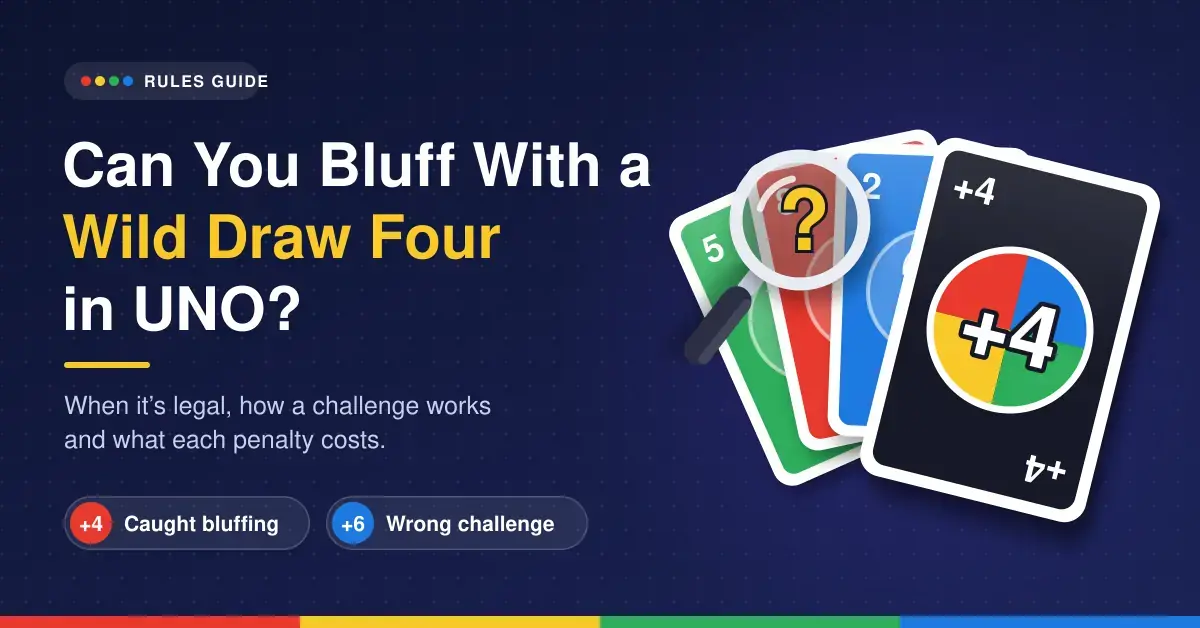
For a seven-year-old, being targeted by a Draw Four card can occasionally trigger a brief flash of emotional frustration. This is precisely why games like Uno are so vital for healthy emotional development. Within the safe, loving boundaries of a family game night around a Kiwi dining table, children learn to process these minor competitive setbacks, laugh off the unexpected bad luck, and strategize a fun way to launch a friendly counter-attack on their next turn.
High-Energy Party Hits for Pre-Teens (Ages 9-12)
When children enter the pre-teen years, their appetite for entertainment shifts heavily toward high-velocity adrenaline, social interaction, and clever psychological warfare. They want games that feel modern, witty, and slightly chaotic—titles that actively encourage loud laughter, friendly banter, and dramatic table-slapping races. For this highly energetic age bracket, turn-based games can sometimes feel a bit slow or restrictive, making real-time, simultaneous-play card titles an absolute winner.
A phenomenal global phenomenon that has taken New Zealand intermediate schools and family baches by storm is Taco Cat Goat Cheese Pizza. This game completely eliminates traditional turns, forcing everyone around the table to engage in a continuous, rhythmic vocal chant while flipping cards into a central pile. The moment the spoken word of the chant perfectly matches the visual image displayed on the flipped card, an absolute frenzy erupts as every player desperately races to slap their hand flat onto the central stack. It is a brilliant masterclass in cognitive dissonance that leads to involuntary muscle twitches, hilarious false alarms, and absolute roars of laughter from everyone involved.
| Party Card Game Title | Ideal Group Size | Core Mechanical Twist | Why Pre-Teens Love It |
|---|---|---|---|
| Taco Cat Goat Cheese Pizza | 3 to 8 Players | Real-time chanting and physical table-slapping | High-velocity physical chaos; hilarious false alarms and flinches. |
| Exploding Kittens | 2 to 5 Players | Russian roulette risk management with cats | Quirky, laugh-out-loud artwork combined with tactical betrayal. |
| Dutch Blitz | 2 to 4 Players | High-speed simultaneous sequencing and sorting | Pure physical speed and focus; zero down-time or waiting around. |
| Cockroach Poker | 2 to 6 Players | Pure bluffing, deception, and reading facial tells | Allows them to legally lie to their parents and siblings with a straight face. |
Engaging Strategy Card Games for Teenagers (Ages 13+)
As children transition into teenagers, their analytical thinking and capacity for long-term strategic planning reach near-adult levels. They are fully capable of navigating complex economic systems, subtle social deduction mechanics, and intricate card-synergy combinations. For teenagers, card games offer a fantastic, relaxed avenue to connect with friends or bond with parents without the pressure of formal conversation, serving as a brilliant social anchor during flat gatherings, high school holidays, or rainy weekends.
A magnificent option that delivers immense strategic depth while remaining highly accessible is Five Crowns. This beautiful, rummy-style card game introduces a completely unique fifth suit—yellow stars—alongside a dynamic, rotating wild card system that alters with every single successive round. Over the progression of nine distinct rounds, the hand size dealt to each player grows systematically from three cards up to eleven. Teenagers must constantly recalculate mathematical probabilities, manage their risk exposure to high-value penalty cards trapped in their hand, and decide exactly when to aggressively “go out” to catch their opponents off-guard.
- The Fifth Suit Dynamic: The yellow Stars suit expands the mathematical pathways for constructing runs, making card tracking much more engaging.
- Rotating Wild Schedule: Because the wild card value matches the hand size of the current round (e.g., 5s are wild in round three), strategy must adapt fluidly.
- The Deadwood Danger: High-value face cards like Kings and Queens carry massive point penalties if caught unmatched, teaching careful risk management.
- The Lightning Round Finish: The moment one player clears their hand, everyone else gets exactly one final turn to minimize their financial deficit.
Traditional Standard Deck Games passed down through Oral Tradition
While commercial custom-deck card games dominate modern retail shelves, we must never underestimate the incredible value, depth, and historical power of a humble standard 52-card French deck. A single standard deck of cards costs less than a fancy coffee at a local Auckland café, yet it unlocks a virtual library of hundreds of distinct games that have entertained Kiwi families for over a century. Teaching children traditional standard deck games connects them deeply to a broader cultural history and ensures they can always join in the fun at any community club, holiday camp, or family reunion across Aotearoa.
Chief among these traditional family pillars is Last Card, which acts as the direct ancestral foundation for modern games like Uno. Played with a standard deck where specific cards act as skips, reverses, or force the next player to draw extra cards, Last Card is a fast, highly accessible game that primary school children can master in minutes. For older kids and teenagers, introducing them to the deep partnership mechanics of 500 or the rapid bidding wars of Euchre provides an exceptional mental challenge that sharpens memory tracking, non-verbal teamwork, and mathematical calculation to an incredibly high degree.
How to Choose the Perfect Card Game for Your Child
With literally hundreds of different titles vying for your attention in New Zealand retail stores and online marketplaces, trying to select the single best box for your next family gathering can occasionally feel a bit daunting. A game that causes absolute delight and endless replayability in one household might result in complete confusion or disinterest in another. To ensure your financial investment translates into genuine entertainment value, it is vital to evaluate prospective games against a few key criteria tailored to your specific family dynamic.
First and foremost, consider the true player count flexibility. Many party card games shine spectacularly when you have a large, bustling group of six to eight players gathered around an outdoor picnic table, but they completely lose their mechanical magic if stripped down to a quiet two-player duel between a single parent and child. Conversely, certain highly tactical strategy games are perfectly optimized for a tight head-to-head match but become unmanageably slow and frustrating if you attempt to scale them up for a large extended family gathering during Christmas holidays. Always check the official player count recommendations on the back of the box before purchasing.
Another critical factor to weigh is the actual physical durability of the components. Children are naturally enthusiastic, high-energy players; during a tense, fast-paced round of a game like Dutch Blitz or Snap, cards will get aggressively slapped down, bent, twisted, and occasionally exposed to spilled cups of juice or sticky fingers. Opting for titles that feature extra-thick card stock, linen finishes, or even premium waterproof plastic materials can vastly extend the lifespan of your game, ensuring the deck remains clean, smooth, and easily shuffleable for years to come.
Top Retailers and Specialty Shops to Source Games in Aotearoa
Finding and purchasing the absolute best card games for kids across New Zealand has never been easier, thanks to an exceptional domestic network of physical department stores, independent hobby shops, and highly efficient local e-commerce platforms. For everyday buyers seeking mainstream family favorites or budget-friendly childhood classics, major national retail chains like The Warehouse, Kmart, and Whitcoulls maintain comprehensively stocked toy and game aisles featuring excellent prices on staple titles like Uno, Spot It!, and traditional bicycle decks.
For discerning parents and enthusiasts looking for specialized designer titles, high-quality international imports, or custom expansions, New Zealand is home to an outstanding community of dedicated independent board game specialty retailers. Iconic bricks-and-mortar storefronts such as King of Cards in central Auckland, Cerberus Games in Wellington, and the extensively nationwide network of Card Merchant (operating physical stores in multiple cities alongside a massive, highly efficient online shop) offer unparalleled customer support. Sourcing your games from these local Kiwi specialists guarantees you receive 100% authentic products, supports the domestic small business economy, and connects your family to organized local community play nights and events.
Seven Expert Tips for a Successful Family Game Night
Organising a regular family card game night is one of the most effective ways to establish a beautiful, screen-free tradition in your household, but it does require a touch of conscious planning to ensure everything runs fluidly and peacefully. Children thrive on predictability, comfort, and positive engagement; setting the right environmental stage can make all the difference between an evening of harmonious laughter and a night that dissolves into competitive arguments or short attention spans.
Start with a Clear Sturdy Playing Surface
Before you even think about dealing out the first hand of cards, ensure you have selected a solid, completely stable table or clean floor space away from heavy thoroughfare traffic. Clear away any fragile items, loose plates, or open cups of drinks that could easily get knocked over during an enthusiastic physical reaction to a match. Having a dedicated, clean boundary for the playing arena helps children focus their attention entirely on the cards.
Establish the Shared House Rules Before Dealing
To prevent frustrating mid-game disputes and tears, always take two minutes before the first round begins to explicitly clarify the rules with everyone at the table. This is particularly vital when playing traditional games like Last Card or 500, where regional variations and “house rules” can differ wildly between different schools or towns. Ensure every child understands exactly what cards are wild, what the penalties are for a false flinch, and how to legally signal their final card.
Invest in High-Quality Plastic Card Sleeves
Children’s hands can occasionally be a little sticky, and their physical enthusiasm during a fast-moving slapping game can easily fray edges or crease beautiful custom artwork. Purchasing a pack of clear, premium plastic card sleeves from your local New Zealand hobby shop is a cheap, incredibly effective insurance policy. Sleeving your cards keeps them completely pristine, entirely waterproof against accidental spills, and significantly easier for small hands to smoothly shuffle and slide across the table.
Use Dedicated Card Holders for Very Small Hands
One of the most common physical frustrations for a five or six-year-old child attempting to play a rummy-style game like Five Crowns is the literal challenge of holding a large hand of seven or eight cards simultaneously. Their small hands simply cannot stretch wide enough to fan the cards out neatly, leading to dropped cards and revealed hands. Utilizing cheap, freestanding plastic or wooden card holders allows young children to keep their cards organized face-up on the table completely shielded from their opponents’ view, entirely eliminating physical frustration.
Prioritize Fun and Effort Over Pure Winning
When playing with young, developing children, consciously shift the family focus away from who holds the ultimate highest score and redirect the praise toward clever strategic choices, great sportsmanship, and hilarious moments of bad luck. Celebrate when a child makes a brilliant move, even if it directly sabotages your own hand. Creating an atmosphere where losing a round is seen as just another funny, entertaining twist in the story builds exceptional emotional resilience and keeps kids begging to play again next week.
Mix up the Categories to Keep Energy Levels High
To maintain a vibrant, engaged atmosphere across an entire evening, avoid playing the exact same long-form strategy game for hours on end. Instead, start your game night with a quick, high-energy physical icebreaker like Spot It! or Snap to wake up everyone’s reflexes, transition into a deeper strategic title like Five Crowns while attention spans are at their absolute peak, and finish the night with a loud, chaotic round of Taco Cat Goat Cheese Pizza to end on a high note of absolute laughter.
Know Exactly When to Call It a Night
The ultimate secret to a phenomenally successful family tradition is always ending the session while everyone is still having a fantastic time. It can be incredibly tempting to squeeze in “just one more round” when the kids are laughing and engaged, but over-extending past their natural fatigue thresholds can quickly lead to overtired meltdowns or frustration. Pack away the decks while energy levels are still positive, leaving your children genuinely excited and counting down the days until their next scheduled match.
Summary
Mastering the wonderful landscape of card games for kids unlocks a phenomenal, screen-free universe of rich family entertainment, deep cognitive growth, and authentic social connection that caters perfectly to every imaginable household budget across New Zealand. Whether you choose to anchor your family traditions in the timeless oral history of classic standard deck titles like Last Card, guide your primary schoolers through the vibrant pattern-matching challenges of Uno Flip!, or inject a massive burst of high-velocity physical chaos into your living room with contemporary party hits like Taco Cat Goat Cheese Pizza, you are actively fostering memories that will last a lifetime. By accurately assessing your children’s specific age readiness, sourcing from outstanding domestic Kiwi retailers, and implementing practical care tips like card sleeving, a simple box of cards will easily become the most cherished, replayable, and laughter-filled treasure in your home entertainment collection.
FAQ
What is the absolute best card game for a child who struggles with reading?
For children who have not yet developed full reading fluency, games that rely purely on visual pattern recognition, color matching, and iconic symbols are an absolute lifesaver. Titles like Spot It! (Dobble) or standard matching memory games are perfectly optimized for non-readers, as they contain zero text on the cards, allowing a young preschooler to compete completely independently and confidently alongside older siblings.
Are modern specialty kids card games expensive to buy in New Zealand?
Not at all. One of the greatest attributes of modern card games is their exceptional financial accessibility compared to heavy board games or digital console titles. Most top-tier specialty card games for kids retail between $15 to $35 NZD across local New Zealand shops. Given that a single durable deck can provide hundreds of hours of household entertainment, the cost-per-play value is phenomenally high.
Can my five-year-old legally join in a game of Taco Cat Goat Cheese Pizza?
While the official manufacturer’s age recommendation on the box suggests ages 8 and up due to the high speed and coordination required, a five-year-old can absolutely join in the fun with a minor house adjustment. If playing with younger children, simply encourage the entire table to slow down the pace of the chant slightly, ensuring the little ones have a fair, fun opportunity to recognize matches and participate in the slapping.
What should we do if a child gets incredibly upset when they lose a round?
Experiencing competitive loss is a vital milestone in emotional development. If a child becomes highly upset, validate their feelings gently but avoid altering the rules to let them win artificially, as this undermines the integrity of the game. Instead, emphasize that bad luck is an unpredictable, funny part of card play, praise the excellent effort they demonstrated during the round, and immediately deal a fresh hand to keep the focus moving forward.
Are plastic playing cards better for kids than standard cardboard decks?
Plastic playing cards are significantly more expensive upfront, but they represent an exceptional long-term investment for families with young kids. 100% plastic cards are virtually impossible to tear, do not suffer from bent or frayed corners during aggressive table slaps, and are completely waterproof, meaning you can easily wipe off sticky finger marks or juice spills under a running kitchen tap.
How many cards are dealt to each person in a standard round of Last Card?
Under traditional New Zealand house rules, each player is dealt exactly five cards face-down to begin a standard round of Last Card, with the remainder of the deck placed face-down in the center to form the main draw stack. However, because Last Card is passed down through oral tradition, some Kiwi families choose to deal seven cards to extend the length and strategic tension of the match.
Is it safe to take custom designer card games away on a family camping holiday?
Yes, absolutely, but you should take a few minor precautions to protect the components from New Zealand’s coastal elements. Damp grass, ocean sand, and morning dew can quickly warp standard cardboard boxes and damage unprotected cards. To safeguard your games at a campground, store the cards inside plastic sleeves and keep the entire deck housed inside a sturdy, airtight plastic container or zip-lock bag.
Why do some card games utilize circular cards instead of standard rectangles?
Circular card designs, famously utilized in games like Spot It!, are engineered to completely eliminate any spatial orientation advantage. Because a round card looks identical from absolutely any angle around a circular table, no individual player catches an unfair perspective of the illustrations when a card is flipped into the central arena, creating a perfectly balanced playing field for kids and adults.
What is the exact mechanical difference between Uno and Uno Flip!?
While standard Uno is played entirely on a single face, Uno Flip! introduces double-sided cards featuring a traditional “Light Side” and a highly aggressive “Dark Side”. When a special Flip card is played, every player must physically turn their entire hand over, revealing a completely new set of numbers, colors, and much more severe penalty cards that instantly changes the strategy of the round.
Where can I find official replacement rulebooks if my child loses the original copy?
If your original instruction manual goes missing underneath the couch or gets damaged, there is zero need to worry. Almost all modern tabletop game publishers provide free, comprehensive PDF rulebook downloads directly on their official websites. Additionally, a quick search on YouTube will unlock thousands of high-quality, step-by-step video tutorials that explain the rules visually in under five minutes.