Table of Contents
Uno The Legend of Zelda is a thematic adaptation of the globally recognised card game, blending the core “match-by-colour-or-number” logic with the iconic characters and symbols of Hyrule. In the New Zealand market, where Nintendo franchises have a massive following, this edition offers a refreshing layer of strategy and visual appeal.
The game follows the fundamental objective of being the first player to discard all cards in your hand, but it introduces the exclusive “Wild Triforce” card, which forces players to interact with the deck in a way that mimics the power of the Triforce itself. Players are dealt seven cards each, and the inclusion of characters like Link (representing the number cards) and Ganon (representing the high-penalty cards) makes the game highly recognisable and engaging for fans.

Introduction to the Heroic Mechanics of Uno Zelda
Uno The Legend of Zelda is a thematic adaptation of the globally recognized card game, blending the core “match-by-colour-or-number” logic with the iconic characters and symbols of Hyrule. In the New Zealand market, where Nintendo franchises have a massive following, this edition offers a refreshing layer of strategy and visual appeal. The game follows the fundamental objective of being the first player to discard all cards in your hand, but it introduces the “Wild Triforce” card, which forces players to interact with the deck in a way that mimics the power of the Triforce itself. Players are dealt seven cards each, and the inclusion of characters like Link (representing the number cards) and Ganon (representing the high-penalty cards) makes the game highly recognizable and engaging for fans.
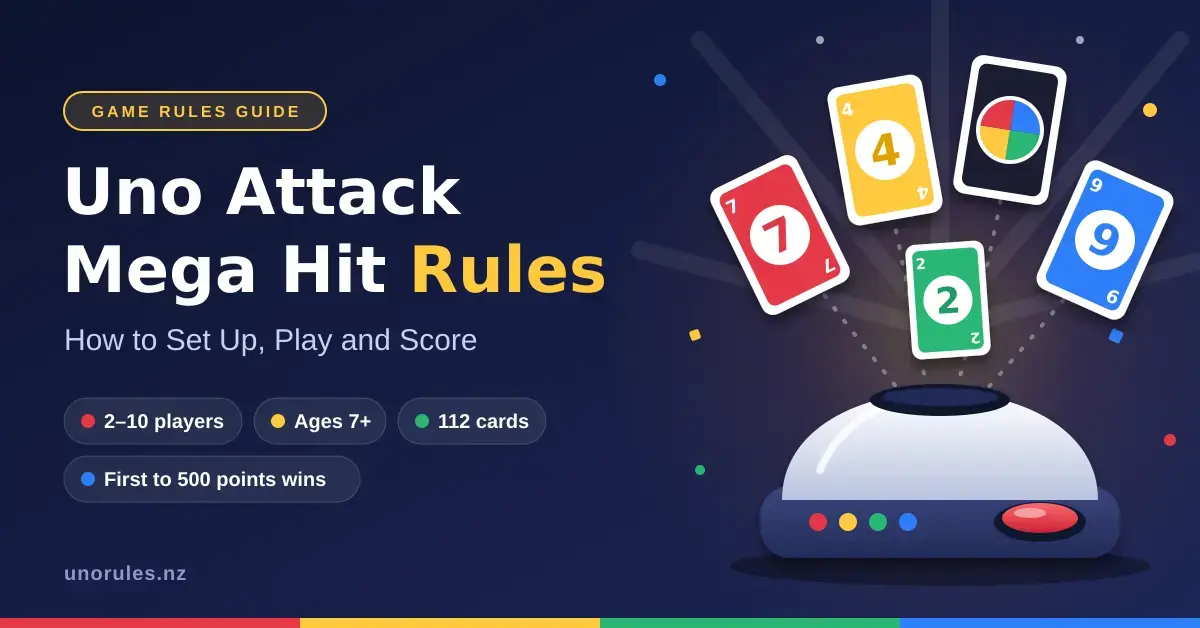
The deck consists of 112 cards, including the standard 108 cards found in classic Uno plus four exclusive “Wild Triforce” cards that represent the most significant mechanical shift in the game. When these cards are played, they can trigger specific penalties or advantages that disrupt the traditional flow. This unpredictability mirrors the experience of exploring a dungeon in Hyrule, where every turn can lead to a sudden surprise. Mastering the timing of these thematic cards is what separates a novice from a seasoned Uno Zelda champion, as the game requires a blend of luck and tactical card management to succeed.
- Thematic Characters: Cards feature Link (various incarnations), Princess Zelda, Ganon, and other Hylian symbols.
- Unique Wild Card: The Wild Triforce card introduces a specialized symbol-matching requirement.
- Traditional Suits: Four standard colours—Red, Yellow, Blue, and Green—integrated with Zelda motifs.
- Target Audience: Recommended for 2 to 10 players, aged 7 and up.
Key Game Specifications
- Total Cards: 112 cards (108 standard + 4 exclusive Wild Triforce cards).
- Colours: Traditional Red, Yellow, Blue, and Green integrated with Zelda motifs.
- Special Cards: Skip, Reverse, Draw Two, Wild, Wild Draw Four, and the Wild Triforce.
- Target Audience: Recommended for 2 to 10 players, aged 7 and up.
| Feature | Details |
|---|---|
| Deck Size | 112 Cards in total |
| Colours | Red, Blue, Green, Yellow |
| Special Card | Wild Triforce Card |
| Winning Score | 500 Points (Standard Match) |

Setting Up Your Hyrulean Quest
Properly preparing for a match of Uno The Legend of Zelda ensures a fair and fast-paced experience for all participants. To begin, players must select a dealer by drawing a card from the shuffled deck; the person who draws the highest numerical value takes the responsibility, with action cards counting as zero. The dealer shuffles the 112-card deck and distributes seven cards face-down to each participant. The remaining cards form the Draw Pile, which is placed centrally on the table. The top card of the Draw Pile is then flipped over to initiate the Discard Pile. If the first card flipped is an action card, its effect typically applies to the first player to the dealer’s left.
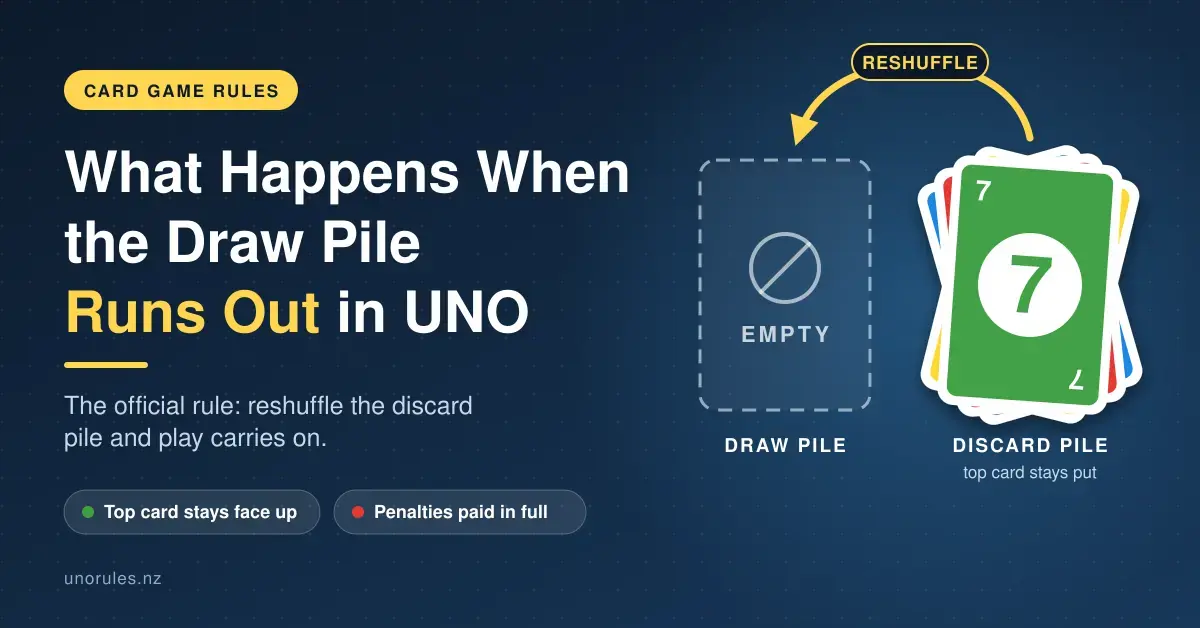
In the New Zealand gaming scene, it is common to ensure that the “Wild Triforce” cards are well-shuffled into the middle of the deck to avoid a cluster of specialized actions early in the round. Players are encouraged to keep their hands hidden, and the player to the dealer’s left always starts the game. If the Draw Pile is exhausted before a winner is declared, the Discard Pile is reshuffled to form a new Draw Pile. This setup phase establishes the “Master Sword” of play, where each colour represents a different elemental or character-driven path to victory.
- Dealer Selection: High card draw determines the starting lead.
- Card Distribution: 7 cards per player, dealt face-down in clockwise rotation.
- Deck Management: Remaining cards form the face-down Draw Pile.
- The First Flip: Starts the Discard Pile and sets the initial colour or number.
| Setup Step | Action Required | Responsibility |
|---|---|---|
| 1. Shuffle | Mix the 112 Zelda-themed cards thoroughly. | Dealer |
| 2. Distribution | Deal 7 cards per player in clockwise rotation. | Dealer |
| 3. Foundation | Flip top card to start the play pile. | Dealer |
| 4. Orientation | Players organize hands by character or colour. | All Players |
Mastering the Mechanics of Card Matching
The core gameplay of Uno Zelda involves matching the top card of the Discard Pile. On your turn, you must play a card that matches the colour, number, or symbol of the active card. For instance, if the Discard Pile shows a “Blue 7” featuring a Hylian Shield, you can play any Blue card, any 7 of a different colour, or a Wild card. If you do not have a matching card, you must draw one from the Draw Pile.
New Zealand players often debate the “Draw One” rule. Official Uno Zelda rules dictate that you only draw one card per turn. This keeps the game tempo high and prevents a single player from being overwhelmed by a massive hand. Understanding the symbols on the cards—such as the “Sheikah Slate” icons or “Heart Container” numbers—makes the game more intuitive for those familiar with the Zelda lore.
- Match by Colour: Play a Green Link card on another Green card.
- Match by Number: Play a 3 on a 3 of any colour.
- Match by Symbol: Play a Skip on a Skip.
- Draw Rule: Draw exactly one card if no match is found.
Understanding the Standard Action Cards
Action cards in Uno Zelda serve as the “Dungeon Items” that disrupt your opponents’ progress. The Skip card forces the next player to lose their turn, while the Reverse card switches the direction of play. These are vital tools for preventing a player with only one card left from winning. The Draw Two card is an aggressive move that forces the next player to add two cards to their hand and skip their turn. In the competitive NZ Uno circuit, these cards are the primary weapons used to control the flow of the game.
Understanding the timing of these cards is essential. Playing a Draw Two card right after someone shouts “Uno” can effectively double their hand size and ruin their chances of a quick victory. Similarly, the Reverse card is a powerful defensive tool in a two-player game, where it functions exactly like a Skip card, returning the turn immediately to you. Mastering these interactions allows you to manage the “stamina meter” of your opponents’ hands throughout the session. .Read more in Wikipedia.
- Skip: The next player is skipped entirely, represented by the Sheikah symbol. Use this to block an opponent who has only one card left.
- Reverse: The direction of play flips, changing from clockwise to counter-clockwise. This is excellent for keeping the game away from an aggressive player.
- Draw Two: The next player draws 2 cards and misses their turn. This is a high-pressure offensive move.
- Wild: The player chooses the next colour to be played, allowing you to pivot your strategy when your hand is limited to a single suit.
| Action Card | Function | Strategic Note |
|---|---|---|
| Skip | Next player loses turn. | Use to block a winner. |
| Reverse | Flips play direction. | Use to send penalties back. |
| Draw Two | Next player draws 2 cards. | High-pressure offensive move. |
| Wild | Change active colour. | Choose a colour you have most of. |
The Exclusive Wild Triforce Card Rule
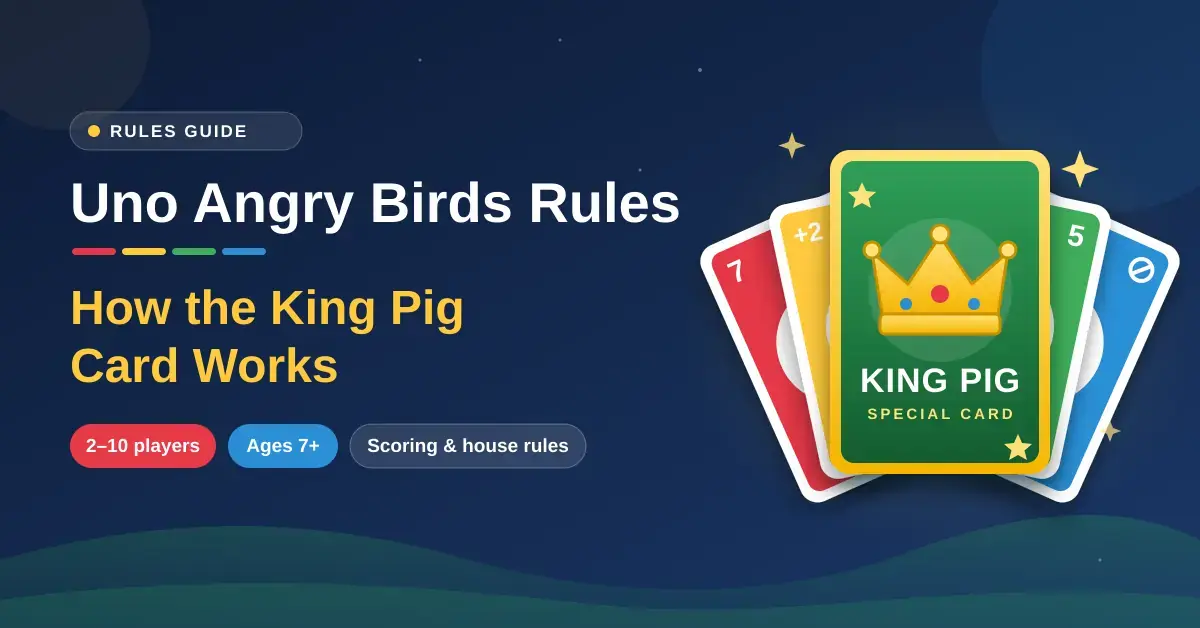
The standout feature of Uno The Legend of Zelda is the Wild Triforce Card. When played, it acts as a standard Wild card, but it also triggers a specialized action: you force the next player to search their hand for a specific symbol or colour that you declare. If they do not have it, they must draw cards from the deck until they find a matching one.
This mechanic mirrors the “Wisdom, Power, and Courage” of the Triforce. It is a high-risk card that can completely change the momentum of the round. In New Zealand, many families enjoy the “Ganon’s Curse” variant where the target must draw until they find a card with a specific numerical value.
- Force a Find: Next player must play a specific colour or draw until they find it.
- Colour Choice: The player playing the card picks the target colour for the table.
- Power Play: Can be played on any card, regardless of the previous play.
- Winning Strategy: Save this card to use on the person with the fewest cards to ensure they stay in the game.

Using the Wild Draw Four Strategy in Uno The Legend of Zelda

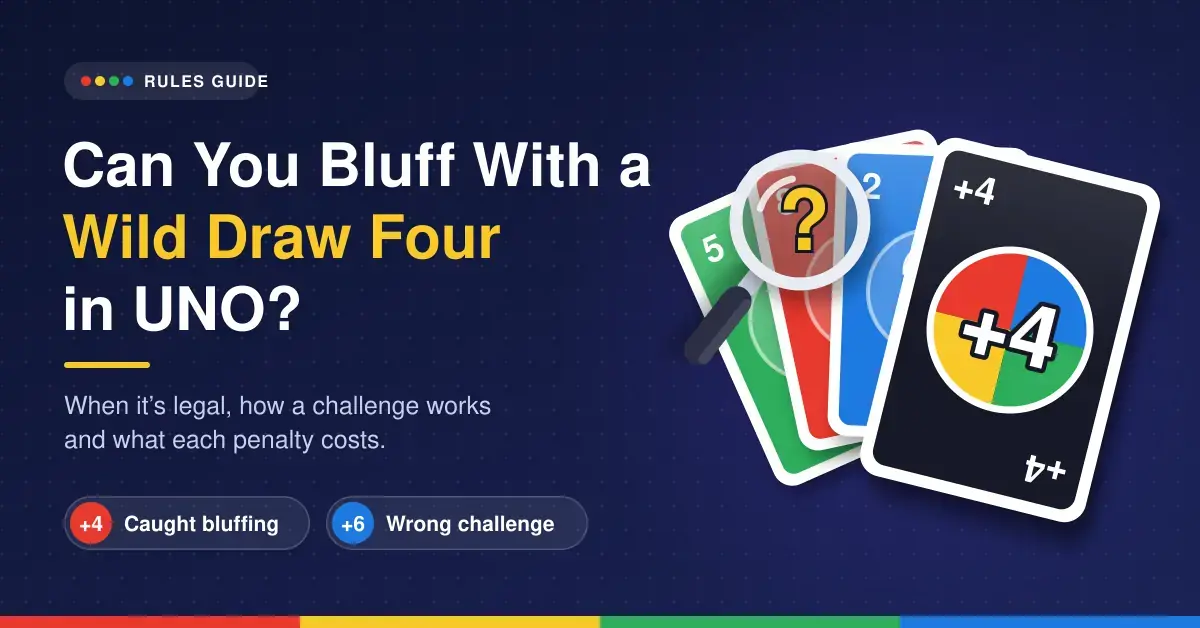
The Wild Draw Four is the most powerful tool in the Uno Zelda deck for dealing direct damage to opponents. When played, you choose the next colour, and the next player must draw four cards and miss their turn. However, you can only play this card if you do not have a card in your hand that matches the colour of the Discard Pile. If a player suspects you have played this card illegally (meaning you had a matching colour), they can challenge you.
If challenged, you must show your hand to the challenger. If you are guilty, you draw the four cards. If you are innocent, the challenger must draw the four cards plus an additional two cards as a penalty. This “bluffing” mechanic is a staple of competitive Uno in New Zealand, as it adds a layer of psychological warfare. You must decide if the risk of drawing six cards is worth the chance to catch an opponent in a lie.
- The Bluff: Play when you have a matching colour to surprise an opponent.
- The Challenge: Opponents can force a hand reveal.
- The Penalty: 6 cards for the challenger if they are wrong.
- Strategy: Use when you need to change the colour and punish the next player simultaneously.
| Challenge Result | Outcome for Player | Outcome for Challenger |
|---|---|---|
| Player Guilty | Player draws 4 cards. | No penalty. |
| Player Innocent | No penalty. | Challenger draws 6 cards. |
Scoring Systems and Winning the Match
While winning a single round of Uno The Legend of Zelda is achieved by being the first to play your last card, the overall “match” winner is typically determined by points. When a player goes out, they receive points based on the cards remaining in their opponents’ hands. Numbered cards (0-9) are worth their face value. Action cards like Skip, Reverse, and Draw Two are worth 20 points each. The high-value cards, such as the Wild, Wild Draw Four, and the exclusive Wild Triforce, are worth 50 points each.
In the New Zealand tournament format, the first player to reach a cumulative total of 500 points across multiple rounds is declared the ultimate winner. This system encourages players to play their high-point cards (like the Triforce or Wild Draw Four) earlier in the round to avoid being caught with them. It adds a mathematical layer to the game, as you must weigh the benefit of holding a powerful card against the risk of it blowing up your score if someone else wins.
- Numbers 0-9: Face value.
- Action Cards: 20 Points each.
- Wild Cards: 50 Points each (including Triforce).
- Target Score: 500 Points to win the match.
| Card Category | Point Value | Risk Category |
|---|---|---|
| Numbers | 0-9 | Low Risk |
| Skip/Reverse/Draw 2 | 20 | Medium Risk |
| All Wild Variants | 50 | High Risk |
The Essential Uno Shout and Penalty Rules
The most critical rule in the Hyrulean universe is the “Uno” shout. When you have exactly one card left in your hand, you must loudly announce “Uno!” If you fail to say it and another player catches you before the next player begins their turn, you must draw two penalty cards from the Draw Pile. This rule ensures that players cannot sneakily win the game and keeps the tension high as players near the end of their hand.
In the fast-paced environment of a Kiwi family game night, the “Uno” shout is often the most contested part of the session. You must shout it the moment your second-to-last card touches the Discard Pile. If your last card is an action card (like a Draw Two), the next player must still resolve the penalty before the game ends. If that penalty forces them to draw a Triforce card, the game might even continue with a new target!
- The Shout: Must be said at the 1-card mark clearly.
- The Window: Opponents must catch you before the next player moves.
- The Penalty: 2 cards from the Draw Pile.
- Pro Tip: Don’t let your excitement prevent you from shouting clearly.
Strategic Tips for New Zealand Players
To win consistently at Uno The Legend of Zeldaa, you must play with the courage of Link and the wisdom of Zelda. One effective strategy is “Colour Hoarding,” where you hold onto a specific colour that you know your opponent needs, only to play it when they are close to winning. Another tactic is “Character Tracking,” where you keep a mental note of which action cards (Skip vs. Reverse) have been played to estimate what is left in the Draw Pile.
Another key strategy involves the Triforce card. Don’t play it just because you can. Save it for a moment when the player after you is low on cards. Forcing them to draw until they find a specific item is a devastating blow that can buy you the time needed to clear your own hand. In New Zealand’s competitive social clubs, “Defensive Reversing” (playing a Reverse to send a penalty back to the person who played it) is a hallmark of an advanced player.
- Watch the Leader: Always target the person with the fewest cards.
- Triforce Timing: Use the specialized rule to bulk up an opponent’s hand.
- Wild Preservation: Save a Wild for your final move to ensure you can go out.
- Hand Awareness: Always know how many cards your opponents are holding.
| Strategy | Action | Benefit |
|---|---|---|
| Defensive | Save a Reverse card. | Redirect penalties to the leader. |
| Offensive | Play Triforce on low hands. | Force massive draws to stall victory. |
| Analytical | Track high-point cards. | Minimize point loss if you lose. |
Common Mistakes and Rule Clarifications
A frequent error in Uno The Legend of Zelda is misinterpreting the Reverse card in a two-player game. According to official Mattel rules, in a 1v1 match, the Reverse card acts exactly like a Skip card. The turn order flips, which in a two-person circle means it returns to the person who played it. Another common mistake involves the Triforce card’s draw penalty; the cards drawn must be added to the hand and cannot be played on that same turn unless it was the target card found.
Finally, ensure everyone is clear on the “Challenge” rule for Wild Draw Fours. In New Zealand, disputes often arise when a player refuses to show their hand. Remember, the challenge is part of the official rules and is necessary to keep the “bluffing” mechanic fair. If a player refuses to show their hand, they should be disqualified from the round or forced to take the penalty automatically to maintain the integrity of the match.
- 2-Player Reverse: Always functions as a Skip.
- Triforce Play: Target card found ends the draw action.
- Uno Penalty Timing: Must be caught before the next person begins their turn.
- Wild Draw 4 Challenge: Standard rules always apply regarding matching colours.
Final Thoughts
Uno The Legend of Zelda is a perfect fusion of a timeless card game with a beloved modern franchise, offering a strategic and visually rewarding experience for fans of all ages. By incorporating the specialized Triforce mechanic and the various characters of Hyrule, the game transcends the simplicity of standard Uno. For New Zealand players, it provides a fantastic social outlet that combines the luck of the draw with the tactical depth of a fantasy adventure. By mastering the action cards, understanding the scoring system, and never forgetting that final “Uno” shout, you can conquer the dungeons and emerge as the ultimate Hyrulean champion.
Quick Reference Summary Table
| Game Aspect | Detail |
|---|---|
| Special Card | Wild Triforce Card |
| Draw Penalty | Target draws until item found |
| Winning Score | 500 Points accumulated over rounds |
| Hand Size | 7 cards per player |
Frequently Asked Questions (FAQs)
How many cards are in a Uno The Legend of Zelda deck?

The deck contains 112 cards, including the standard 108 cards plus 4 exclusive Wild Triforce cards.
Can I play the Wild Triforce card on my turn if no one attacked me?
Yes, it functions as a regular Wild card if played on your turn, allowing you to choose the next colour regardless of the current active card.
How many cards are in a Uno The Legend of Zeldadeck?
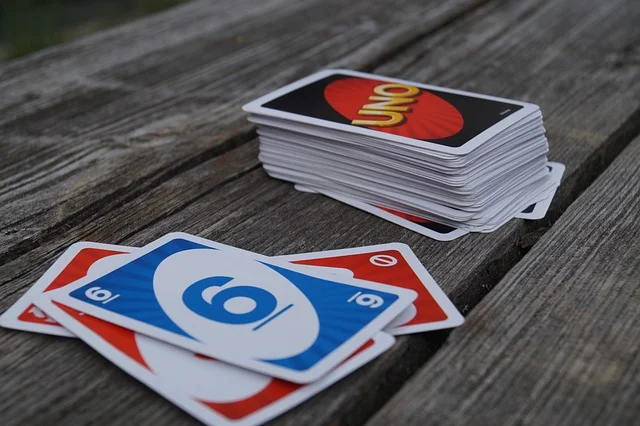
The deck contains 112 cards: 108 standard-style cards and 4 exclusive Wild Triforce cards.
What is the penalty for not saying “Uno”?

If an opponent catches you before the next player begins their turn, you must draw two penalty cards.
How many points are the special cards worth?
Both the Wild Triforce and the standard Wild cards are worth 50 points if they are in an opponent’s hand at the end of a round.
Can you stack Draw Two cards in this version?
Official rules do not allow stacking, but many local variations in New Zealand allow it to increase the game’s intensity. Check with your group before the first deal.
Can I challenge a Wild Draw 4 in Uno The Legend of Zelda?
Yes, the standard challenge rule applies. If you think the player had a matching colour card in their hand, you may force them to show their cards.
What happens if the first card flipped is a Wild Triforce?
The first player chooses the starting colour, but the “draw until found” penalty typically does not apply to the very first turn.
How do I win a match?
The first player to reach a cumulative total of 500 points across multiple rounds wins.
Is Uno The Legend of Zelda suitable for two players?

Yes, it is designed for 2 to 10 players. In two-player games, the Reverse card acts like a Skip, which keeps the game fast-paced and duelling-focused.